
Savor our FTC disclosure's epic tale here ...
Type Two Fun
Team TRO sorts useful suffering from get-there-itis, builds a triple-digit heat defense and finds a polite way to disappear down the road. Music by Rabid Neon and Otis McDonald. Download our feed here.
Transcript
As legible as we are intelligible ...
Brian: Opening announcements, news, corrections, and banter. Random song of the minute. Visit radio.tro.bike in your web browser to get a playlist of our random song of the minute. Super random this week. I would like everybody to listen to Hun Her Tu. 60 Horses in My Herd is the song. A group of, it's culturally Mongolian. They are from the borderlands and they're technically in Siberia. But anyway, Hunhar II are masters of Tuvan throat singing. The throat singing means you're creating multiple tones at once with just the human voice. And... And Mongolian, even if you can't understand a single word, they're pretty amazing. You know, they're about riding horses and herding and being on the steps and freedom. And you can just feel that in the music. It's a lot of fun. We're going to hep you cats to Mongolian roots music.
Robin: Yeah, man.
Brian: And so 60 Horses in My Herd, you get some throat singing at about 326 in the version we've picked out. Somehow horse music just kind of works for motorcycle people too. I love it. I will say, if you look up some Mongolian heavy metal, the Mongolian people are making some of the heaviest, darkest, most incredible heavy metal music on the planet. And Robin, what's your news about tours?
Robin: Yeah, we got five tours now listed at tours.tro.bike. That will take you automatically to our group motorcycle tours page. I ended up needing to cancel all tours for 2026, which was a little bit of a breathing relief because last year it was really eventful. There was a lot to handle. 27, though, is jam-packed with a series of damn good times. Starts on the 28th of April for the Truth or Consequences Tour. The month after that, Trip 7's, which I believe is just about already sold out. So Trip 7 has one spot left And that one spot is actually Socially reserved for somebody But we're just not sure if they're going to be able to do it We'll see August 4th, we're going to run Wisco Disco Nice, Then it gets obscure. Beginning the weekend of September 11th, we may run the Lake Michigan Circle Tour, and then October 13th, the Texas Hill Country Tour.
Brian: Nice.
Robin: All of these tours are on the site. That's what I got.
Brian: Looking forward to 27 already. Yeah. Yeah, and we have some rides of our own coming up here in this fall. It's going to be fun. So what have you been reading, Robin? What's up in your world?
Robin: It is Astrophysics for People in a Hurry, Neil deGrasse Tyson. And that book, it does not wait. That book comes out swinging haymakers like Ali, Foreman, and Tyson all at once. Like it says it's going to be concise and help you get to the point quickly, but you better have your high school science books out to remind yourself. Quarks are and how they operate like that's in the first 20 pages 15 of which are the forward i'm happy reading that the toy hauler fix-ups are coming along basic maintenance, diagnosing issues resolving those issues re-resolving those issues with better resolvements, it's you know it's all coming along.
Brian: It's a constant battle huh
Robin: Riveting stuff you know the kind of thing that people tune into here. For me, it's national get ready for track day day tomorrow. I'm going to test pack the SV. You know, I'd like to ride the SV if I can. And if I just don't have the luggage capacity to do everything I need to, I'll end up bringing my bike. How about you, man? What's good?
Brian: Same here. Tracky, track, track, tracking, track, blah, blah, blah, blah. Getting ready for that. The problem here is I just haven't had another track day this year. You really need to have two or three a year I think and I just haven't another set of tires just spooned those on last night and another set of tires you know on the shelf before their time I hate that but you know you just got to do what you got to do still need to do an oil change but everything else is pretty much done and then Saturday morning I'll I'll finish the prep take the signals off and all that happy stuff yeah and we've got the logistics logically logicked out so we can take one bike there get a preview See the grounds drop off our stuff get the vibe i really like that idea it's close enough to my house that we can just kind of go over there drop a bunch of stuff off save ourselves save ourselves a lot of time and trouble sunday morning and also kind of see people see what's going on catch the vibe and all that stuff i like that i did find that some gee somehow my leathers somehow uh seemed to have shrunk a bit over the winter so no time to lose 10 pounds before the So I'll just, everything's good. It's ready to go. I've got my upgraded armor, courtesy of Gear Check Joanne. Pointed me to the right stuff. So all the armor's upgraded, all that good stuff. So we're ready to go there. Also mentioned that I just updated. We do keep this maintained. We don't talk about it a lot, but the road rubber rankings on TRO.bike. So go to TRO.bike, look under DigiTools, and look for road rubber rankings. And you'll get our list of prices and reviews for sport touring tires. Just updated that. Dunlop pricing has actually eased off just a little tiny bit. But they're still very almost, I think they're pretty much consistently the priciest brand. Michelin's next. And then I think we're going to take the T32 Bridgestone off there. It looks like it's discontinued. The T33 is their new hotness and they're easily available. So anyway, that's all there. But one of the issues you have to remember is it gets into late summer and early fall and winter. Stocks of motorcycle tires start to dwindle down. People don't want to carry that inventory into the next year, at least in our hemisphere. So the question related to that is I'm considering is, okay, I just put my sixth set of those Pirelli Angel STs on my bike. Love the things. We've gone through, I don't know how many, we could fill a room with dead Pirelli STs.
Robin: Yes, absolutely.
Brian: And the pricing is great on Amazon. And they're still there. $280 a set. They're fantastic. But should I order something else for science and try that out? Because we need more, you know, we need more reviews on our Road Rubber rankings page. But these are such a deal.
Robin: They've been a steady go-to.
Brian: I'm predicting that Missouri, especially for Ride to Missouri, is probably going to be about the end of this set of tires. So I'll probably need another one before Kentucky. We'll see. We used to do a segment called Tiny Tasty Tooltip. had a jingle and everything
Robin: One or two per episode all.
Brian: Right i just got a box of mechanics brand nickelbacks they're sweat absorbing nitrile gloves and i know this is a stupid thing but a lot of people including myself if you wear nitrile gloves to work on stuff you kind of end up with this slippery dangerous bag of sweat and mixed fingers rather than something
Robin: Tell me more.
Brian: So So anyway, these guys, they're supposedly, they have like this, they actually have a cotton flocked lining on the inside and you can feel it like you. They slide on real easy. They let a little air circulation in or they absorb the sweat. I'm not sure what happens. Supposedly they solve this problem. They're really high quality gloves anyway. 22 bucks for a box of 50 is kind of expensive. We'll see what happens. That's a very, very, very tiny, very tasty tool tip. Next up. Listener questions, and maybe even a question from the wild.
Robin: If you'd like us to field your questions, visit email.tro.bike in your web browser and send us a message.
Brian: This was an interesting one. Hi there! What do you recommend as a hitch-mounted motorcycle carrier to transport a Honda XR 650L?
Robin: Now this question was sent directly to TRO via our Facebook page.
Brian: Nice. First, explain what a Honda XR650L is.
Robin: XR650L is a 650cc dual sport bike. It's about 365 pounds wet.
Brian: Yeah, so it's basically a dirt bike with lights. It's air-cooled, so it's not heavy. Like a KLR is over 400 pounds. This is on the lighter side of the 650 dual sports, just so you can picture what you got here.
Robin: This article is from 2018, and it still gets a lot of attention, which is how we do. I wrote this article quickly, quick tow gear for locally stranded bikes. Basically, it was inspired by the need for a rescue system to easily be able to convert a vehicle via tow hitch into a tow vehicle for a motorcycle. The whole idea was how compact can we get? How much do you need? Just keep on up and up. It was a crescendo of scale as the article goes on, and it starts with these little compact insert your front wheel and tow it on its rear wheel. So disconnect the chain, put it on its front wheel and just drag it for maybe up to 30 miles slowly down the road to a destination where it can be dealt with. I think that's still greatly adequate, but... The next level up from that, immediately, you're at the Black Widow series, which are the trays. They're a wide-body tray that goes into your hitch outlet on your truck or whatever vehicle you have that's got the whoop-ass necessary.
Brian: You're going to want a truck.
Robin: You're talking about a tow hitch-mounted motorcycle carrier.
Brian: It's big.
Robin: I don't mean big by trailer level. I'm talking about, it's just a hunk of metal that tries its best to be absolutely as small as possible, gets inserted into the outlet, and you sideload the bike onto it with a built-in detachable ramp that you can fold away, strap it to this thing, and get where you're going. I wouldn't want to tote my bike to a rally four hours away on this thing, but in a pinch, I'd be happy to do it. Now, the thing of it is, those are really the only two portable options shy of using the bed of your truck with a tailgate bracing. That's what I do. I've got two tailgate braces. That means you drop the tailgate, you put in a metallic arm on both sides. That creates rigidity. You ramp the bike into place, chalk it, strap it to the front and rear hooks of the bed diagonally, and then you're on your way down the road. But in this person's case, I just said, you want any trailer hitch carrier, like the Black Widow, that is capable of handling, you really should aim for twice the weight of your bike, if not at least an extra third. If you have a 500 pound bike and this thing says rated for 500 pounds. Now deal with the leverage of that situation and find out if anything isn't warped out of shape by the time you get there or if the bike's even still on it. So add an extra third of durability to it, if not double, you know, for the XR650L, 345 to 365 pounds wet weight somewhere in there. I don't remember what I read last night, whatever it is, look for something that is 500 pounds to 600 pounds and you should be good to go you know that's my answer what would you suggest.
Brian: A reputable brand you know this bike's 350 365 you definitely want something that's not just a 400 pound capacity i've seen things go wrong most often what happens is damage to the vehicle you need like a full-size pickup or you know something with a really solid two-inch receiver that has the capacity for something like this. So some of these are rated like at 600 pounds. So I definitely get one that's rated for 600 pounds for this particular bike. Make sure it's attached to a really solid frame vehicle. I've got a two inch receiver on my minivan, but it's a unibody vehicle. This thing is low to the ground. There's no way I would try this on that vehicle. Technically it fits within the weight limits and so forth, but it's very sketchy. And also like if you're using an suv make sure the bike is secured so that it can't bounce into the window i've seen that happen too boosh yeah if you go over a pothole or something and the thing can bounce into the window and and that's not good
Robin: Did you hear something no did you no.
Brian: Kind of loud in here all of a sudden
Robin: Air conditioning's really breezy.
Brian: The other thing to consider is lighting. You may want to consider a light kit, magnetic lights or whatever. Sometimes you can get them that are attached to the carrier or just to go on with magnets or something, but plugs in like a trailer, but it reproduces your lights in a place that people can see them where it's not blocked by the wheels.
Robin: I'll cap Brian's take on it by mentioning if you do go with the big vehicle or whatever, that big vehicle should have more subsidiary model names than you can typically find in most vehicles. Our main towing vehicle is a 2015 Ford F-350 King Ranch Super Duty Crew Cab Lariat. I think I've got a three-inch outlet for bumper tow. This thing was designed to tow itself.
Brian: Yeah. I'm going to be the first to admit I'm a little bit tired of new bike questions and so forth, but I thought this one had an interesting twist, so we'll deal with this briefly. I'm buying my first bike should i get a new chinese bike off amazon and this caught my attention because i often do recommend that new riders strongly consider buying a brand new bike just because they don't have the skill set yet to understand and deal with old bike crap and you can always sell a smaller starter bike if it's in decent shape it'll sell very easily so basically you tie up some capital for a little while, but if you can do it, go ahead.
Robin: I think I would contest that though. My first bike, 1982 Yamaha XS400 RJ Sega had a single disc front shoe rear, no ABS, no traction control, dual 18 inch wheels. It was a weird machine. There are certain things I think contribute to a rider getting to know the physical truth behind the mechanics of the machine. That's a fight you and I should have someday, and we should itemize how we do it.
Brian: And again, I started on a Suzuki 400 with a drum front brake, and so did millions of other people. I think it's just one of those things people should consider if they can, or at least buy a used bike that actually works. Because the thing I've seen that scares the hell out of me is newbies that show up, you know, like they need help with their bike or something. And they'll ride over here on a turd that I could barely take around the block and I know what I'm doing because they just don't know any better. You know, something's wrong, you know, steering stand bearings. So... If you have the means, it's worth considering. If you don't, look for something used. It's, you know, get the best bike you can so you can get those concerns out of your way. So it was interesting. You're like, should I get a Chinese, you know, one of those Chinese bikes off of Amazon? I'm not a fan of that approach, even though I am a fan of considering a new bike. If you look on YouTube, you'll see a lot of reviews. There's some guy, I can't remember the guy's name, but the YouTube channel's called Bikes and Beards. And he'll slip a little preaching in there, Bible verse in here. But other than that, he has some interesting reviews where he gets a Chinese bike and he puts it together in a Walmart parking lot or something like that. The problem with these is a couple of things. One is basically you get a motorcycle kit and a crate. So you don't get a bike you can just fire up and ride off.
Robin: No, it's plastic wrapped.
Brian: You have to finish putting the thing together. Even if the bike is fine when you get it all done, And it's not really a beginner, what I would call a beginner project. If you know what you're doing and you're just kind of farting around, it'd be kind of fun. Or if you have someone with you who's got some experience to turn this pile of parts that you're going to get into a vehicle, I don't know, it could be fun. It is risky. You know, you can't find parts. Something's broken. You're communicating across the other side of the country, all that stuff.
Robin: There is an upside to the fact that you are getting a bike, and I think Brian's going to arrive at this. You are getting a bike that you can ride and be a little bit less worried about. You're learning post-licensing course what it really means in the real world to be a motorcyclist. And sometimes you might realize, oh, I did that to my bike. And I remember them mentioning that in the class. And now I've done some damage. And you can say to yourself, well, thank goodness I didn't invest in, you know, I will now buy the absolute best, biggest bike because that means I know what I'm, no, get yourself something that you may expand your learning on. And if any mistakes happen, things that aren't that big of a deal, you'll be on a bike where that's okay. You can get away with it. But as for the Chinese bikes, Brian, carry on.
Brian: There's a balance there. What I would say, if you're really interested in the idea of a new bike, look at something like CF Moto. They're an established company with a U.S. presence. They have dealers and so forth. Something like the 300NK, naked 300, it's 4,200 bucks. And CF Moto bikes, they have a good reputation. They're screwed together pretty well. They have an actual dealer network, that kind of thing. The other thing is maybe look at Royal Enfield. They have dealers here and there all over the U.S. They're a long-established brand. They build really tough bikes at a good price. You know, and things look for a 300cc or smaller used bike. That's the usual advice. You know, they're a little hard to find. And also, I've met people that have bought like, you know, 125 or 150, bought like a kind of a really small Honda or whatever, used that for a while, and then they're planning to sell it as they move on. Yeah, there are options out there. But the Amazon bike, yeah, maybe think about that. Maybe rethink that plan.
Robin: What's the return policy after 12,000 miles?
Brian: Yeah. So if you'd like us to field your questions, visit email.tro.bike in your web browser to place a message into our brains. All right, we're at segment one. We'll see where this goes. Take a drink because we are talking today about pain and suffering. Suffering and pain. It's a loose topic. Kickback will tell some war stories of two-wheeled woe, And kind of consider the question, how bad is too bad? How bad can it be until it's not fun anymore? How bad can it be and you still get to the end of the day and you can still smile about it? And what do you do about it? What are some of those situations? Where have we found ourselves? And what do we do about it? What have we put up with and regretted? And what have we survived while still coming out the other end with a smile, even if it took some time to get there? How do these calculations even work?
Robin: I'm looking at your list here for the topic and I'll inject something of my own is like whatever it is that's fueling the concept of pain and suffering as a motorcyclist. It might not come from you. It might come from other riders and things they're experiencing. How does that affect your ride? And that's one of the ones I intend to get into if I can find my way through it.
Brian: It's loose and it's wide, and there's a lot to talk about here. So a quick war story. It was Sunday. I had to be at work on Monday, or so I thought. And there was a god-awful storm sitting over Missouri. I was at the other side of Missouri, and it was 480, something like that. We were on the other side of Missouri. I basically beelined it for I-70 and then got on the interstate and held the throttle open. until I arrived in Indianapolis, and it sucked. I made it to the interstate, and then the skies opened up, and the storm was moving along with me the whole damn day. And it was just miserable. As we all know, rain gear was just overwhelmed. It did serve to keep the rain in, so I had a nice layer of moisture right on me the whole time. It was just awful. Long story short, the lesson learned that day was you don't have to be anywhere what i should have done was just wait a day get another day in the hotel they'll sell you sunday night really cheap and then come back on monday because it was fine but instead i put myself through all this suffering on this idea that i had to be somewhere and it's just like you know it wouldn't have been the end of the world to miss a day at work or work from the road or whatever But I just kept going, stubbornly kept going. And so that's one where, like, I regretted my decision. Like, I should not have done that. I'm not going to do that again.
Robin: In my mind, that's where the closer you are to that standstill Zen piece that allows you to realize there are no problems, only solutions. The further out in the wake you go, the momentum, things are in motion that can no longer be undone. And the further out into that current you get, the harder it is to remember that you had even stepped out there in the first place. That becomes the reality of your mindset rather than being central to the calm and the eye of that hurricane and thinking, well, if this, then that. I'm going to say, let's chalk it up to we'll repair this with time, the next opportunity, which can be immediate. Am I right?
Brian: Yeah, you just get too caught up get there-itis where you put pressure on yourself to get there and then you do dumb things like enter a maelstrom and ride through the damn thing for 400 miles or so. There's another side of that calculation. When do you find your joy? When do you go out and get your joy in spite of or because the pain and suffering add to it? And I'll give you another example there. My personal record for riding to work is minus 17 Fahrenheit.
Robin: Okay.
Brian: Yeah. All right. So that was pain. That was suffering. It was also fun. I was obviously the only motorcycle on the road that day.
Robin: Sure.
Brian: When do you choose your pain and suffering?
Robin: My oldest brother's memorial, that ride, I've talked it to depth. I don't need to go into the details of it, but there was suffering for the loss of family, suffering for, I think the temps were low 20s. Maybe I started at like 19 degrees. Minus 17, Brian. Goodness gracious. The temps I'm talking about, they got warm. I was going to Florida. That was Chicago to Florida. I attempted an iron butt. I did not make the iron butt. I did not care. It was for family, it was for love, and it was for loss.
Brian: Yeah. What I can tell you is that fork oil is not really a liquid at minus 17. That was interesting.
Robin: Suspension became pension.
Brian: Yeah. There was no sus but all. It was just, obviously it was dry out. You know, I had traction. I didn't, you know, it wasn't icy or anything. I've done that several times, going out just to make a point, just to get out, just to clear the head. And it's still a source of joy. It was still a lot of fun. It was still fun to make people go, what the hell are you doing? You know, that's fun.
Robin: I am motorcyclist. I will motorcycle.
Brian: Yeah.
Robin: And I'm happy and I'm adapted to this environment. I know the weather. I know what I'm feeling. I'm doing this and I'm not angry about it. I chose, even if it's 10 minutes, you know what I mean?
Brian: You can put up with anything for 10 or 20 minutes.
Robin: Yeah.
Brian: I've ridden in snow many times. Not like I, like it's snowing. let's leave the house. But more like we can either sit here and cry or we can just carefully motor on and get home or whatever.
Robin: Get busy living and try not to get busy dying.
Brian: So basically along the Cherahola Skyway in Tennessee, there's a very high elevation. The paved road that goes through the Cherahola Skyway is one thing. But in the woods, there are like hundreds of really cool little dual sport roads. So we were out there farting around and we go higher and higher and higher. And it's actually, there's a light coat of snow. We're like, okay, this is fine. We got rocks and gravel. You know, we're fine. We're badass. We keep going and so forth. But yeah, we get up to a certain point and it's full on snowing and it's sticking, you know, it's, it's staying on the road and we had to basically go over to the paved road and then carefully make our way back toward Robbinsville in the snow. You find out that there's less traction, but it's not zero traction. You start to figure it out and it kind of becomes this like, oh my God, we're doing this. We lived, you know, it was a lot, you know, it was still a lot of fun. So yeah, we were cold, we were wet, very sketchy situation, but it was still a lot of fun. And you learn something. Okay, it's not the end of the world until it starts to freeze. Then you have to stop. I know you've ridden in snow a few times.
Robin: Eh, not like that, though. Just little instances of, okay, I guess I'm doing this, you know, mistakes made.
Brian: I guess I'm going to get home instead of, you know.
Robin: Back in the day of the Avon Road Rider, we'll see what they're really made of. The street tire in the middle of a beach sand or a snowy mountain peak.
Brian: Bring us out of this, Robin. Tell us a war story of pain and suffering that ended up with a smile at the end of the day. What was worth it?
Robin: Absolutely. I was with some of my favorite human beings and we were following a segment of an early iteration of one of our group motorcycle tours. It was a beautiful day. And all of a sudden we arrived at a, nope, this road's closed. Deviation you will go this way now and this way was i mean it was pretty it wasn't what we were signed up to do though we were there to go curve curve curve fast fast fast and, Instead, we got deviated over to the Maker's Mark Distillery, where everybody parked their bike. We all went inside, and we all got to dip bottles and buy the T-shirt.
Brian: Yeah. Oh, wow.
Robin: Nobody drank, because we don't allow that. You don't drink until the end of the ride. Once you're not going to throw a leg over the bike again, only then are you allowed to have a sip of the old good stuff. But everybody went in, dipped a bottle, even bought one, something pretty highbrow as a celebration of a bad route, and then ended up on our next hotel with a damn fine night. It was good. Does that do the job?
Brian: Perfect.
Robin: Rockstar. I think we had just gone through not a tunnel in Red River Gorge. I don't remember how it tied into the Maker's Market Distillery, but wherever the route went, we didn't go there. And then we, yeah.
Brian: There you go.
Robin: I'm seeing a Joanne Don somewhere in the mix here.
Brian: Segment two, this is the Armory brought to you by gearchick.com, G-E-A-R-C-H-I-C.com.
Joanne: I was in boxing class today. It's my fitness is boxing gym. Not like a ring, though. It's a fitness studio. So I'm not in a ring. I'm just punching boxing. And, you know, boxing is kind of a defensive sport, right? So I'm learning how to do the moves. I'm learning how to move my body. I'm learning like how to do all these things and pick up the technique, right, as a defense. And, you know, what I'm learning is that to defend myself, I have to prepare for that. So how do you prepare to defend yourself against heat stroke and heat exhaustion, especially now when half the country is in 100-degree weather? The first thing I'm going to say is don't ride in 100-degree weather. Just don't.
Brian: Well, that's no fun.
Joanne: Just don't. It's unsafe. Like, it's really unsafe. Heat stroke is real, and you will suffer the consequences. You will dehydrate no matter what you do at 100. There's not much you can do. Like you're hitting a limit that's just not safe to ride. It's like, do you really want to go riding through a hurricane? Yes, you could, but it's really not safe. Heat, it can do the same thing. It can kill you. And like people like to not wear gear in the heat. So that trade-off is really difficult and I understand why people choose not to, but my number one advice is don't ride over 90 degrees, especially if you run hot. Like you're just asking for trauma. If you already are a hot-blooded person, why are you subjecting yourself to something that's gonna actually expedite that misery? Like it's just gonna accelerate the chances of heat stroke and other physical symptoms, right? But if you're gonna go riding in maybe more reasonable temperatures or maybe you're gonna hit 100 for only like a couple hours, you know, for like a short period of time and maybe the rest of your trip is more reasonable temperatures where you're riding in the 80s or 90s, that's a lot easier to manage.
Robin: So now in the middle of this brilliant wording that you're putting together, Brian posts this photo. He shares screen and shows 106 degrees. And he's writing his, what year is your GS, Brian? 79?
Brian: That's an 83. This is in Salem, Indiana, about 120 miles from here. We went out that day deliberately.
Joanne: Yeah, yeah, I would not.
Brian: We may have been stupid, but it was fun. Anyway, go on.
Joanne: If you're going to, it's ironic, but you have to gear up. And it's the opposite of what people think. And I review this every season because people aren't educating themselves about heat stroke, but also reverse windchill. And so I'm going to share this graphic again because people don't understand what that is. And reversed windchill is the opposite. You are sort of boiling yourself from the inside where there's wind, but it's hot. You're literally putting yourself in an oven. It's no different than walking into a giant oven. You know, like at Subway where they have to cook all the rolls and they wheel it into a walk-in oven. It's the same thing. And if you walk into an oven like that without any clothes on or like very little clothes, you will burn severely. Then why would you go out in temperatures where you're subjecting your skin to that. And no amount of movement is going to help you. You have to wear gear so that the gear can help absorb the heat. But people complain how hot gear is, and it can be. And this is, again, where we bring up the point of when you invest in better product, you will get a better result. So you can't judge the one experience you had. You need to use your wallet to protect yourself. And what really irritates me is when people judge all gear by the one terrible investment they made, the one experience that's not all the same. You're choosing to spend a very little amount of money and you chose a product that was not adequate. That is a you problem, not a gear problem. So in order to really be comfortable, you have to wear the right performative layers. And if you're an athletic person, motorcycling's a sport, let's be honest. You have to be active to some degree. And of course, you know, if you have a big cushy like Goldwing, sure. That's not as challenging as say riding a naked, classic. What kind of bike was that?
Brian: It's a 1983 vintage naked bike,
Robin: Air-cooled Suzuki GS.
Joanne: And that doesn't have like a big fairing. That doesn't have as much wind protection, say, as a Goldwing. So, right. And then what if you're riding like a modern sport bike? What if you're riding something that has zero wind protection? You're going to be working harder. You know, the harder you have to work, the hotter you're going to be. So, you have to take into consideration your ability to function in heat. You want to avoid wearing your ugly cotton t-shirts. You need to wear your athletic synthetic base layers, maybe a base layer t-shirt, something that's wicking like a Nike dry fit golf shirt. I mean, even that is going to be so much more comfortable under your mesh jacket than a cotton t-shirt. So something where as you sweat, that sweat has somewhere to go. And no, you don't want to wear a tank top because if you're sweating under your armpits and your arms, it goes into the lining of your jacket and then number one, it stinks. Two, that sweat's just sitting there and you're 10 times more miserable. So the idea isn't, well, the jacket's gonna keep me cool. No, you're gonna be hot. It's 90 degrees. There's no way around that. You're choosing to go out in the heat. The idea is you don't die from heat stroke. You don't get heat stroke. And the heat is manageable to where you're not feeling mentally like, I hate this. I can't take this. I want to pull over to where you're hot, but you're not stroking out. You're not sweating profusely because the sweat has somewhere to go. Also, helmets, full-face helmets are how you insulate yourself from the heat. And again, when you buy a $99 helmet that weighs 10 pounds and has no ventilation, yes, it's going to be miserable. But if you choose a really good helmet that's designed for maximum airflow, that's how you will stay comfortable so that the heat has somewhere to go. Think about this before you go out in the heat. We all know that when we sweat, that's the body trying to cool itself. And the minute you stop, you've got heat stroke. And that's why when you see a lot of certain individuals out in certain geographic locations, when they're out riding without gear, their skin is so red and you're just inviting skin cancer. You're like, hey, come on in, take over my body and absorb into my skin. Give me some melanoma. It's no different than going laying out by the pool every day without sunscreen. It's going to age you. I don't know about you, but when I'm 80, I want to look 60. I want my skin to stay up. I want to maintain a certain level of health at that point. And at the end of a long day, if you have to ride 10 hours in the heat, you know how tired you are. You know that it's exhausting. Even going a couple hours in the heat, I remember writing in the 90 degree weather and I'm so tired after a couple hours versus nine hours, say, in cooler temperatures. And You have to add this extra layer of safety when it's 100 degrees. So base layer is great. Change that. They also have cooling vests where you can get them wet. And so that helps because you have a cool vest. You could wear that under your mesh, which is nice. That'll help keep you cool. And certainly wear a hydration pack so you can drink continuously. Sometimes you can put like a hydration bag in a tank bag and then like run the hose up. I've seen people do that. Somebody invented, they created a fanny pack that you can wear in the front with a hydration bladder. So it doesn't go around your waist. It was like a sling kind of thing. It was like for runners instead of wearing a backpack because that's hot. But there are a lot of riding backpacks specifically meant for riding that have hydration bladders, pockets, so you can put your camel back in. Like I have one, a little Krega for Revit. And it's meshed too, like the material so that I'm not hot and it's tiny and it's not heavy. Think about these things. So hydration, mesh jackets, you know, mesh is always great. So that's always going to help you stay ventilated. And same with your bottoms, mesh pants, mesh top, mesh gloves, if you're going to go this heat route. And other than that, there's not really much else you can do except ride less in the heat. When I did the BDR in Colorado, it was not a hundred, but it was hot. And one day when we were riding on the freeway, I'm wearing an off-road helmet. I'm not wearing a dual sport or a street helmet or a module. I'm wearing a full 100% off-road. So the ventilation is insane. It had everything. It was a showy and it's really well ventilated, which is great. Too ventilated because on the freeway, my whole mouth and face was so dry from the wind, not sun, the wind. I woke up that night like my skin was so dry. So I put on a balaclava. I put on a summer, like a thin balaclava. I bought one and then wrapped that around my neck and around my face to protect me from the wind. I wear that when it's hot and it sounds miserable, but it keeps the heat out of my face. You can find ones that have Coolmax in them. I have an Oxford Coolmax balaclava. So the material is really light. And when I'm sweating, it's way more comfortable. So neck tubes are great. Find a nice synthetic neck tube. Let's see, $12-ish, $15. Hey, if you fish or you golf and you have that stuff, use it. It's the same thing. But like the Oxford one, Let's see how they have winter. It's like $15, you know, and you can use it for other sports. Covering up your body is especially your neck because that's like a vital right your neck and your wrists if you keep that cool and your core cool then you're going to be more comfortable years ago i got my mother a golf towel a cooling towel and you just dunk it in water it's like a chamois and then you wear it around your neck even that will help and you know just anything like that under your coat is always going to help
Brian: Similar banter at higher revs can be found via the gear Chick website, or by emailing Joanne directly. That email address is help at gear chick.com. G-A-R-C-H-I-C.com.
Robin: I was thinking of something while you were talking. One of the things I love about having you on the show, and I don't think this will ever change, is that you will list amazing solutions, and I want to buy all of them. The fact remains that I cannot. And many people, they hear the onslaught of beautiful solutions and they can't buy the whole stack. So I always like to tail end some of the things you talk about with alternative solutions for those. It's like, well, what are you going to do if you can't get this $12 neck gator? You can totally get the $12 tube. You'll get that. Protect your neck. Yeah. Wu-Tang. Here's the thing of it. At gas stops, if it is void of activity, you can take your jacket off, take your helmet off, put them in the ice cooler.
Brian: Yeah.
Robin: Drench them and stuff them in that ice cooler for the duration of your stay there. This brings up a fight between Brian and I that isn't a fight yet. But Brian and I agree. Once you get your gas, get the hell out of that place because there are much more beautiful places to stop. Here's the problem. After the amount of riding you've done, you get off the bike, you're like, oh, I don't want to get on that thing yet. You happen to have slushies and an ice cooler for your gear, restrooms, and if you're going to do battle with that standstill option, you may as well stuff your stuff in the coolest thing you can find and wait it out. Because when you put that helmet back on, put that jacket back on, you're going to feel as Neil Sullivan would say, if he's listening right now, hi Neil, he would say, it's going to feel glorious.
Brian: I love what you were saying about keeping yourself covered in hot weather because you want to protect yourself from the hairdryer. And you'll see in that picture, I'm wearing a long-sleeved shirt and a mesh jacket, and it's all covered.
Robin: You're still at a standstill. The hard part is when you're taking the glow of the heat right there, you're not moving. The hairdryer doesn't have until you start moving.
Joanne: Yeah, and actually that photo, your jacket is yellow, right? You're wearing a high-vis yellow mesh. And so you can get, everyone makes a silver mesh jacket. Everybody.
Brian: They always sell out first. So all they have left is black and you can get down to the clearance.
Robin: Transparent.
Joanne: Actually, a lot of brands are doing slightly different colors. Like Brevit came out with tan. Reax came out with like a tan and light olive. Like there's now some really good alternative colors, but avoid black when it's hot. Like I usually do black bottom, like top, because I don't want my ass all dirty.
Brian: All right, segment three. Get ready. Joanne, brace yourself. This is what we call alliteration grab baguette. We spin the wheel. We pick a letter. We take an alliterative phrase and... Riff on that for, let's call it five minutes. I'm opening up in my browser, the random letter generator. I am spinning the random letter generator.
Robin: What did we do last time? Jag off junction. We did counterculture, fricking frack, harsh howdy, jag off junction, original opinions, passing perfection, and rich ruminations.
Brian: Oh, now this one's interesting.
Robin: What do we got? What's the letter?
Brian: The letter is Q. Q equals quickly quiet. How we move through space with minimum waste and maximum joy while singing Sade songs.
Robin: I don't know what to do with this.
Brian: I wrote an article on is it ethical? Is it okay to ride quickly, to ride fast? The ethics, the philosophy of speed, the mannerly rider's guide to speed, I think is what I called. Go to T.R.O. to buy search speed and you'll find it anyway point is whatever we're doing on whatever curves may exist the principle is you want to create as little disturbance as possible exhaust noise is one you know i prefer stock exhaust i prefer to be quiet and gone and so forth but even without that there are things like you just want to create like if you're in a place with a lot of mailboxes happening you know there's a mailbox count going on you want to moderate things you want to pay more attention You want to make sure you're not going to create a problem, create friction. And things like when you need to pass somebody who may be on something that's not quiet and is getting in your way. When an obstacle presents itself, let's put it that way, the principle is be irresistible and be gone. So when it's time to pass, pass with great prejudice. Don't pass, you know, get in the other lane, pass safely, and then be gone. Keep it up, keep going. Don't be around. After a few minutes They're going to be like What just happened there? I don't know what happened I thought I saw something Oh well So kind of those principles of creating a lot less disturbance, tipping well, things like that.
Robin: Does this qualify for expressway riding?
Brian: Yeah, like don't ride like an asshole. Get it done and go.
Robin: I'm calling you out.
Brian: You called me out for that for three times.
Robin: Two or three times. But this just happened to me today. A question we have not asked each other in a while and should ask more regularly. Did you ride today? And I rode today. And today, I had all of these things in a successive order that I'm not even sure where to begin. But I'm going to start with this. I remember personally being a not-motorcyclist. I was a not-motorcyclist for a very long time. I am this dedicated to it late in the game, being as how I was in my 40s. Here we are. Now it's the whole show for me. But I do remember the many years, more than half of my life, as a not-motorcyclist and being a not-motorcyclist sitting in the passenger seat of a car driven by a definitely never-going-to-be-motorcyclist with opinions about those people who just did that thing as they blazed by. And I had no idea what it was like. I don't know if they have technique. I don't know if they know what they're doing. I know that the opinion is not good inside the cab of this cage.
Brian: Yeah.
Robin: Brian's article is about the morality of our decisions to assume risk and sometimes go super legal speeds, or in my case.
Brian: At least a speed limit.
Robin: Kelly Howard, shout out. Here's the drill. What I'm about to do at pace, I'm about to corner hard. I'm going to accelerate. It's my decision. Have I assessed all that is in front of me? Do I see anyone who might be caught off guard by my decision? Have I startled anyone who has no idea why we do what we do? Have I made their opinion of what we do less positive? I do not wish to do that. I do wish to ride on my terms based on assessed and assumed risk. I do not wish to catch anyone off guard, prove a point, scare them, give them a new memory about that awful time somebody on a motorcycle did an awful thing. There's a lot of streamlining that goes into shaping your own perspectives on how to do this so you can get your jollies on your terms on a public taxpayer's roadway, which we have no right to do, but we now and then we kind of have some fun with it without creating new problems for those of us who are part of a cult on two wheels. That's a big deal with me. So how do I do it? Very carefully. That's the trick. Now, today, I rode on a heavy mailbox count road, twisty, curvy, all over the place, and two zero saw me pass two cars. So they passed those two cars. Then they passed me to show me that they're going to pass me. Then they proceeded to pass multiple cars in front of me in blind curves across a double yellow. Would I pass on a double yellow? Yes, I'll pass on a double yellow. If I judge, judge, assess, make sure.
Joanne: Yes.
Robin: Really get the 360 going, get it done. Bangs to them out. These guys, not so much. They were just on their way to, wouldn't you know it, a place called Hogs something something. And then they stepped off for their poker run and had their beers. But that's really the trick of it. Can you have that moment of, whew, I did that without having that moment of, that person doesn't like motorcyclists now. And this is going to lead to my next topic for next week.
Brian: Be nice. Joanne, what's your take on politeness and moving through space with grace?
Joanne: I guess somewhat related is try your very best to think about what the other person is experiencing before you judge them. Now, there's certain lines. I've got certain lines where, yeah, I'm going to judge you for sure. We know what those lines are. Sexism, racism, homophobia. There's all kinds of things that I will definitely judge you. For the everyday, oh no, this person bumped their card into me at the grocery store. Oh, we're talking about little moments in the day-to-day that are just harmless, but you might think, oh God, that person is the worst person. People, maybe someone who like yells at you or says something to you, like these kind of little moments and just try it for a second to think they're not being the nicest person, but think about why they're not. You know, maybe their wife died today. Maybe they have cancer. I don't know. These are the things I try to put in my mind first so that I can train myself to stop thinking the worst about people.
Robin: Stay in their shoes.
Joanne: Exactly. Right. Or whatever. I just try to first think of, okay, maybe they're having a bad day because they got fired. Then think the terrible thing. But I think a lot of us are just programmed to think the worst first. That's a lifetime struggle. And when it comes to motorcycling, That's also something I try my very best, my very best to think about. Maybe in your example, I probably would judge them a little bit for that. That's more obvious. But like, we tend to look at people who wear certain types of gear on certain bikes a certain way. Oh, you're so new at riding, but you spent $2,000 on a leather two-piece suit. Yeah, you did. Because maybe you value your body, your protection more than the value of your bike. And why would we, you know, why are we judging people for that? Like there's a lot of that in our world, in motorcycling. That's probably why I don't hang out with groups of motorcycles that I don't know. Like I want to hang out with, you know, my friends who I know There are a lot of people doing dumb things on motorcycles, of course. It makes you a better human to not think the worst about somebody. So I try really hard just to put myself in their shoes, right? For just a second. You know, and then it goes. And then I think, what a butthead after that.
Brian: And once again, motorcycling makes people better people. Amazing how it always comes back to that.
Joanne: You meet the nicest people on all kinds of bikes.
Brian: All right. We have squeezed every bit of juice out of that baguette. Next up afterwards the wind down what's happening next what are we going to talk about and robin you've got ideas
Robin: It spins right off of what we were just talking about absolutely joanne said something that i'm grateful for most of us in this world on this single-sided object have trouble with i, certainly have trouble with it and i'm doing my best and we'll work on it my segment for next week's episode. Already, I'm going to call it represent Zen.
Brian: All right.
Robin: Optimism is hard. In this Zoom meeting, I might say something and Joanne will shake her head and wince. Brian, I'll say something I actually mean good about and Brian will be like, that's not real. He'll have this laugh about him where he's like, I don't take anything you just said seriously. Being optimistic, being positive, not easy to do. So that will be the hardest trick to my subject matter. How do we inspire would-be squids about the Dunning-Kruger effect to help them up their damn game? I've been watching a friend's Facebook post. Young riders lately have been representing even more poorly than usual. Lots of posturing and tood minus the skill. Thinking the bike they own equates to what they're capable of, and it does not. These are pessimistic things that we saw. Chicago hooligan masses, have been taking to the streets hundreds upon hundreds of bikes using the oncoming lane as well as their lane and just not caring, overrunning the police force. There's no stop in this. They can arrest one or two people. It's been rough. Everywhere. The Instagram videos where the big brag is having the faster bike, meaning you twist the throttle and in a straight line on expressways rather than a track that is supposed to express that you have riding skill. This is the part where I think the MSF has not had the muscle because they're contained to an environment of curriculum. A friend of mine a long time ago brought up a great word that is authenticity and the difficulty about MSF Mr. Rogers types steel caging their every word to that of curriculum as if it were written under their own eyelids. Relatability becomes hugely compromised. My biggest thing about that is bridging the fact that, yes, you have students there who want their license, or yes, you're lucky enough to have students there that want to up their skills, but you're straddling that in the opinion because of what is writing versus what is coaching, trying to make sure that they actually receive the information without boundering off their opinions and their desires. The community associated with the word writer-coach. You are a writer and you are a coach. Versus, I am an instructor, the authority on all things legendary in my own mind. I'm here to dictate what you are to know. I will let you know what is okay and what is not. This doesn't work. You are providing the information, hurling it into the air, but to actually get them to want to ingest it requires that you let them know that the option is theirs and that you understand where they might be coming from. I've said it many, many times that you can ride any way you want if you can just choose the right venue. That's what I want to talk about next week. How to have positive influence on those who want to experience the thrill in the right environment. How to make this good. How to keep it good. That's what I got. I don't actually know what I'm doing, but I promise you I'm doing my best. Anything else you want to add, Brian?
Brian: Nope. I'm good. Let's get out of here.
The Gist
Robin turns rider suffering into a choice instead of a personality trait, from a cold memorial run toward Florida to a closed Kentucky road that accidentally ends at Maker's Mark. The carrier question gets practical with 500-to-600-pound capacity for a Honda XR650L, solid receiver hardware and lights that remain visible behind the bike. He later argues that speed belongs with sightlines, restraint and enough manners to avoid creating one more cager with a motorcycle villain origin story.
Brian admits get-there-itis dragged him through a Missouri storm for 400-ish miles when one cheap Sunday hotel night would've fixed everything. His chosen suffering runs colder, from a minus-17 commute with pensioned suspension to a snowy Cherohala retreat that stayed fun until freezing became the actual stop sign. Between war stories he tests flock-lined nitrile gloves, warns against mystery Amazon motorcycle kits and offers one clean speed policy ... "be irresistible, be gone".
Joanne brings boxing defense to The Armory and tells riders to stop treating triple-digit heat like a character test. Wicking base layers, ventilated full-face helmets, light-colored mesh, hydration packs and cooling layers make heat manageable, while naked skin gets the hair-dryer treatment with worse consequences. Her final baguette move asks riders to lend strangers one charitable thought before judging their gear, bike or bad day, then save "what a butthead" for the evidence.
Announce, Acknowledge & Correct
Robin opens TRO's 2027 calendar with five group motorcycle tours, including Truth or Consequences, 777 (sold out), Wisco Disco, a possible Lake Michigan Circle Tour and Texas Hill Country.
Kit We're "Blatantly Pushing You To Buy"

FLOCK-LINED: For added comfort and sweat management. RAISED DIAMOND TEXTURE GRIP: Provides 60% more surface area for a better grip. HEAVY-DUTY THICKNESS: Great for mechanics, around the house, commercial cleaning & more. HI-VIS ORANGE: Demands to be seen even in darker environments. LATEX-FREE: Idea More ...

Hitch-Mounted Bike Carrier: Black Widow carrier fits Class III or IV 2-inch hitch receivers to haul motorcycles, electric bikes, and fat tire bikes without a bulky trailer. Easy Roll-On Loading: Roll-on, roll-off ramp installs on either side of the carrier and secures flat against it when not in use More ...

INCREASED SAFETY - These auxiliary LED trailer lights provide additional visibility when using a hitch-mounted cargo carrier, bike rack or compatible trailer accessory. Each light strip features double-row LEDs that illuminate with the vehicle's running lights, brake lights and corresponding turn si More ...

Reflective Thread & Durability All our ratchet straps are designed with unique reflective thread to make it easier to identify and safe use at night. Premium 1" x 15'ratchet straps have an impressive 2,100lb breaking strength, ensuring secure and reliable cargo tie-down for your load during transpor More ...

Mens Thermal Underwear Long Johns Sets Cold Weather Base Layer
Keep All-Day Long-Lasting Warmth: Dreading extreme cold weather? Our mens insulated underwear top and bottom use 90% polyester and 10% spandex. The fleece interior generates quick heat in few minutes, keeping you warm all the time. Perfect Mens Base Layer Set: Tired of tight waistbands and loose top More ...

All-in-One Hydration Solution: Maelstrom hiking backpack with water bladder combines durable nylon construction (1.1 lbs total weight) with 4 storage pockets and an aluminum-lined bladder sleeve for leak-proof, insulated coolingperfect for hydration backpack enthusiasts. Hands-Free Hydration System: More ...

UNMATCHED PROTECTION FOR EVERY RIDE Dominate the road with CE-certified Level 1 motorcycle armor men on shoulders, elbows, and back. Our mens motorcycle jackets are designed to absorb impact and provide ultimate protection without sacrificing comfort. STAY COOL, RIDE LONGER Beat the heat with our ri More ...
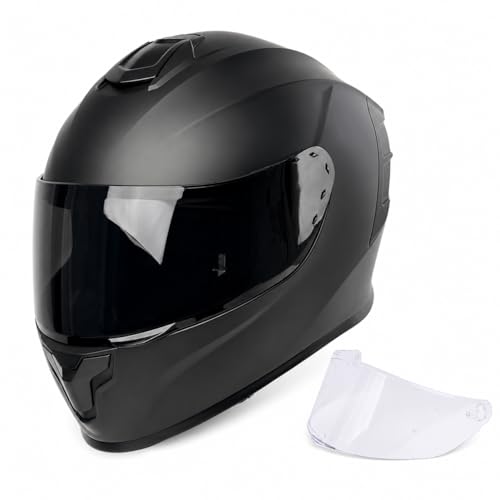
DOT Full-Face Helmets: Orthrus motorcycle helmet meets DOT and FMVSS-218 standards. Built with a durable ABS shell with an EPS foam liner, it delivers exceptional impact resistance performance and greatly improves riding safety. Ideal for adult riders during daily commuting, street riding, and sport More ...

Ice Silk CoolingPremium thin ice silk fabric offers instant cooling and comfort, wicks sweat fast, keeps face dry for summer cycling. UPF 50 Multi-ScenarioIdeal for cycling, motorcycling, and outdoor sun protection with UPF 50. Mesh BreathableHigh-density mesh boosts air flow, ensures smooth breathi More ...

Classic Color Set: includes 6 lightweight neck gaiters in the exact colors shown, giving you convenient options for daily wear, outdoor work, sports and travel. Lightweight and Breathable: made of soft, stretchable polyester fabric that feels lightweight against the skin and helps wick away moisture More ...

INSTANT COOLING: Made of hyper-evaporative breathable mesh material, the unique cooling system uses moisture from the towel to draw sweat away from your skin to keep you cool. EASY TO USE: Cool down quickly by soaking it, wringing out water and shaking it; within seconds this cooling towel delivers More ...
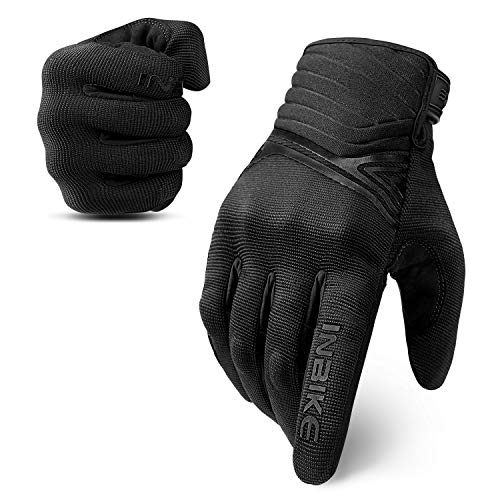
[Breathable & Stretchy]: The motorcycle gloves is made of the polyester,microfiber as well as the breathable hole on the fingers and palm.Also the cuff is stretchy,making the gloves fit your hands. [Wear Resistant & Shockproof]: TPR padding in the palm improves wear resistance, along with the thicke More ...
Did We Miss Sump'm?
Sixty percent of the time, we're right every time. What would you add to the conversation and why? Your input is invited. Leave a comment and/or write an article!
Share Link ...


Comments
RE GearChic If it's above 95deg, maybe just don't go riding
Uhh... Hello! This is THE Riding OBSESSION, not The Riding Casual
But my own $0.02 from being in the desert a few times, if it is above ~100degF, that is above your body temperature, so you don't want that air into your gear/body. Act like winter and bundle up to keep it out. I added ziplock bags of ice to internal pockets to assist keeping the gear internal climate temperature down.
Also, Aerostich talks about this on their website (I think... I know I read it somewhere, maybe a forum instead of their website) but the bedouins in the dessert aren't out in tank tops and shorts, they are full robes to keep a "moist biome" close to the body. That is just a fun phrase, "moist biome"
Anyway, still digging what y'all do, keep up the good work!
Cheers,
Justin Varner
AMA#601303
IBA#61535
ToH#227
Thoughts gone wild? Write an article!