
Behold our FTC disclosure masterpiece here ...
Suspended Disbelief
Team TRO tunes suspension common sense, summer gear survival, track-day chaos and Dunlop road-racing homework. Music by Rabid Neon and Otis McDonald. Download our feed here.
Transcript
As legible as we are intelligible ...
Robin: In this episode, on The Rebound, how to adjust your suspended disbelief, then Joanne's effective and ineffective ways to keep cool this summer, Jordan Lehman continues his narration of the William Dunlop saga. Brian is somewhere riding a two-wheeled rototiller with his fellow motorbike gardening friends, so the real, the original, Travis Burleson is here to fill his gigantic shoes. My original co-host on the podcast, co-founder of Radio TRO, Travis, what's new in the news?
Travis: News from across the globe. BMW marks 50 years of RS models. Road Riders piece looks back at BMW's RS line from the original R100 RS to the current R1300 RS, framing the anniversary as a marker for the modern sport touring category itself. The useful takeaway is that BMW is still positioning the RS badge around the same core belief, boxer-powered road performance with real long-distance comfort, rather than drifting into ADV territory.
Robin: Definitely a reliable machine. Now, this is actually an old article. Last year, they announced the new quote-unquote 2026 BMW R1300RS. I just think it's interesting how that bike has progressed. They're announced a bit back in the day of the new R1300RS's strongest straight sport touring news item in the batch. It's a 1300cc boxer with a claimed 145 horsepower, though I'm not sure how they're measuring that. If they're doing it just on paper or whatever, updated chassis and aero work, an optional automated shift assist. In plain terms, BMW is always sharpening the RS towards a more explicitly sporty road bike brief while still keeping the touring side of the formula intact. Now on to the high of...
Travis: Be the man monster energy drink wants you to be this.
Robin: Is my car what's it got
Travis: Suzuki unveils the MY26 Hayabusa range. Is it MY or is it MY26?
Robin: MY26.
Travis: MY26.
Robin: I don't know.
Travis: Suzuki's MY26 Hayabusa update is a modest but relevant refresh built around new colors and a limited special edition while keeping the established platform intact. It is not a ground-up redesign, but it does matter for riders who treat the Hayabusa as a high-speed road and distance machine, since Suzuki is clearly keeping the big hyperbike in the conversation rather than letting the segment fade. Bold new graphics.
Robin: New paint schemes.
Travis: Do you see my new stickers?
Robin: Decaf. Random song of the minute. If you'd like to know about the music we listen to while we ride, my random song of the minute for this round, Reds in the Water by Diving Bell. Check that out. it's an indie song single demo one track that's all the guy did but it spoke to me you know I get all my new music just by doom scrolling Instagram at night right before I'm supposed to be asleep mhm mhm Just can't get away from the social media because of how mentally healthy it is, you know, to be stimulated by opinions of AI robots at random. So I'm trying to get your way. I'm trying to get all the way up to Kentucky is the plan. We're going to be parked on the Indiana side of the Kentucky-Indiana border. But for now, I am trapped in New Mexico, which is kind of bittersweet. You know, we got the truck and trailer work. It's moving along just kind of slow. But putting a lot of money into the truck. got to have the trailer just looked at and then I can start heading your way hopefully in time to get to the Putnam Park track day with sport bike track time who I think I should approach for sponsorship because I don't know who else to ask I was looking at that map today I think this bridges well into me just saying dude how are you doing because when I look at the map of Putnam Park that track looks constantly fast there isn't a slow corner on the entire circuit from what I can see.
Travis: I found some onboard motorcycle footage and it was like advanced group guy on an Aprilia RSV4 factory.
Robin: Factory spec?
Travis: The top tier one you can buy. I think he was hitting about $1.50, $1.45 there down the straight before turn one. And yeah, like some of those corners, he was taking like 80. So it seemed like a real fast, flowy track.
Robin: I'm looking at it from the entry into the main straight is just hauling all the mail down to a soft right-hander, then a tight right-hander, then a soft right-hander, then a soft left-hander, then a soft double Apex right-hander. Then there's one tight corner it's a right-hander a left carousel a right carousel and then you're in the street i don't see unless they open up those little sections
Travis: There's from what i saw from that onboard video it's like the front straight there's like one section in the back that's kind of straight but otherwise you're just constantly leaned over and like adjusting and hitting like five apexes in a row or like trying to figure out like because like there's like, a double apex but it's like a wider corner and a tighter corner and you gotta have to like miss the apex of the first one to set yourself up for the next but you're going 70 miles an hour the whole time i've.
Robin: Never been to this track i hope i get to do it your turn man good to see you what is up and you know what you have to talk about i already typed it for you i gotta know the whole story
Travis: Yeah i broke my toe doing tongue sudo don't you know way.
Robin: To go mo
Travis: With well i still have my first track day of the season with moto vid at blackhawk farms raceway in south beloit illinois on monday so i'm just gonna shove my broken toe into a motorcycle but the doctor said to wear stiff-soled boots that was the recommendation so i feel like this counts you.
Robin: Could sleep standing up in those boots
Travis: And i will be seated most of the time so i feel like i'm following the doctor's orders yes, But yeah, I also managed to put off all of my winter maintenance until like this month I was supposed to do on my track bike.
Robin: For the listeners, this has been an ongoing thread, really. There's been Facebook chats. There's been signal voice chats and discussions about arriving at the problem and then deciding how to alleviate the problem.
Travis: I'm a procrastinator. I've been that way my whole life, despite my better efforts to not be. But I did do the vows and one of them needed adjustment. So got to do that whole thing and order. I did not follow the TRO.bike guide on doing a valve check and order everything I needed in advance. Because if I did that, I would have never started. So I just started tearing into the bike and then being like, well, I need to order this stuff now.
Robin: See, that's why I need to publish it. I haven't actually published that article yet. It doesn't exist yet.
Travis: It exists somewhere.
Robin: In the dark side of the dark web of the dark TRO.
Travis: It exists in the hearts of all those who believe. Put one new shim in on one intake valve on cylinder two. So my track bike is a 2009 Kawasaki ER6N. If you're not familiar, think Z650, but they didn't call it that 20 years ago.
Robin: Super analog, but injected.
Travis: Yeah, it's got fuel injection. That's about it. LCD dash and...
Robin: Because I have a vested interest in this bike at some point, I may wish to make it my own. When you checked the valves, did you get the spec information for each shim or did you just replace the one that was out?
Travis: Like I checked all the valves and only one was needed to be adjusted.
Robin: But you didn't, this is not a critique.
Travis: You did not take measurements. Oh, I didn't pull each valve and see what shim was in it? No. Why would I do that? I only need to do it just once.
Robin: It's math with the feeler gauge. Once you know where the feeler gauge is, you know how far between spec you are, and you just write that down, and then you know whether or not one's getting closer or not. But it wasn't necessary. You took care of business. How many shims does a thing take? Four?
Travis: Eight.
Robin: H-Tips.
Travis: Two-cylinder, twin cam, four valves per cylinder.
Robin: Got it.
Travis: And then in 20, for those of you who follow the news about Kawasaki's model lineup, you'll know that the 650 Twin got a slip assist clutch in 2017 across the model range. So I bought one on eBay, used, and replaced the stock 2009 clutch with the 2017 slip assist, but didn't like fully inspect the clutch that I bought last fall until I was putting it on and realized that there was some blueing on the steel clutch plates. So then I was in a bit of a panic about replacing it. I was like, well, I'll just replace it. I don't have to worry about it. So I ordered a clutch pack, but it was only the friction plates and not the steel plates.
Robin: Such is the goal.
Travis: After pinging trusted sources, I just kept the stock ones and put them back in and put it all in there. With some help from Tim Clark, he came over and we did a little garage night and he helped me get the clutch installed, which is nice because you need someone to hold like the clutch tool and also use the brake.
Robin: Oh, it's a two-man job.
Travis: To hold the transmission and the input shaft perfectly still while you torque the clutch basket down to like 130 Newton meters or something ridiculous.
Robin: It's a lot. So that's like the last time I went to Wisconsin and had just arrived. I met up with you and Tim and you two had not seen each other all winter. So whenever I head south, it starts to get lonely. And you're like, I bet you everybody is gathered around hanging out. They're all in a ballroom. And they're like, ha, ha, ha, Robin's not here. Let us socialize together. And then I get there and you're like, no, no, no. We've been in our basements all winter. I saw you guys go, hey, man, how you been? I was like, what's going on? What? Oh, yeah. Winter in Wisco.
Travis: Yeah, it was like that. He rode his new electric scooter over. That goes like, he says if he puts it in like Sport Plus or track mode or whatever, it's called it'll do like 45 50 miles an hour the.
Robin: Most terrifying 45 50
Travis: Miles on little six inch wheels yeah i can't imagine but uh yeah got the clutch in i just put oil in it this morning and then i'm gonna start it up and take it around the block and make sure it works i gotta put a couple plastic bits back on and get ready to go to track day man.
Robin: That's awesome so you haven't actually ridden it yet
Travis: No it's.
Robin: Gonna be fine
Travis: Which will be fine well that was the thing is last year so it's getting faster definitely was getting some wheel hop on the rear as I downshifted into corners so it's like oh I can just get an OEM a used OEM clutch off of eBay from you know this bike that's been around forever and do that so should be good I also invested in a new set of leathers really, Yeah, that's like with my current injury, how much of that sucks. I don't know if I want leathers from the 90s in case something happens. Because I bought like used leathers for track day off eBay, you know, for like 300 bucks. And they're fine. Like they're in good shape. They're all fine stars. But it's like they're definitely 20 years old or more. So it's like, uh, I'm going to get some new ones.
Robin: Folks, I finally convinced Travis to do a track day. So, hey, man, you're going to have a ball. It's going to be great. You got to come do this. I finally got in there. We were amongst friends and it went great. We were the last ones to leave. And Travis gets into the vehicle and he slams the door and he leans in and he goes, this is a problem. And now he signed up for five track days at the same track.
Travis: I bought the, no, I got one Road America. I bought the pack, promoted the Black Friday pack. I think is it five or is it six days? I clicked the calendar.
Robin: Motivit.com.
Travis: Yeah, so most of them are at Black Hawk Farms. This is, I guess, my local track. And then there's one up at Road America sometime this summer, which will be fun. I will definitely reach the top speed of my 650, I'm sure.
Robin: Yeah, hopefully it'll make it through the entire straight.
Travis: Blowing up, bouncing off the rev limiter in sixth gear.
Robin: Shout out to Brian Ringer, who hopefully he'll hear this episode when I say, the Putnam Park event that you're going to, it is not hosted by Motovid. We know Motovid. We trust Motovid. It's provided by another outfit that I've also gone to before. They are very good. However, they do only three groups. There's three tiers of riding level, intro, intermediate, advanced. You're going to want to look for those who don't attend the pre-meeting. Anybody who doesn't go to the track walk or the pre-event meeting, unlike with Motivid, they will not be forcibly, what's the word?
Travis: Required.
Robin: If they don't, those are the faces, helmets, bikes you want to be on the lookout for so that when the first session happens, you can observe whether or not you ever want to be in front of them in the main street.
Travis: Or around them or anywhere by them, yeah.
Robin: How do you feel about doing what we used to do the way we used to do it? You want to do some questions? You want to do some segments? Motorcycle style?
Travis: Yeah.
Robin: All right. We have one question from the wild. This was submitted by a friend. First off, if you'd like us to field your questions, visit email.tro.bike in your web browser and send us a message. Travis, I'm pretty sure you're going to have a lot to say about this. I know I have a lot to say about this, but I think together we can probably formulate multiple opinions that this person might put to practice. KR wants to know, I've been riding for a few years now. I was talking with my brother, who's been riding for close to 20 years, about engine braking. I got into the habit of engine braking in combination with actual brakes since I learned how to drive a stick shift. If I'm coming to a stop from fifth gear, I typically let the revs down, then shift down to fourth, third, second, and eventually neutral before stopping completely. Now he doesn't do this ever shifts to neutral and only uses the brakes. Thoughts on this? Downshifting has always felt natural to me. I like being in gear as much as possible in case I have to start accelerating again. Just curious if there are any obvious pros, cons besides saving a bit of wear on the components. Travis, what do you think?
Travis: It depends. I mean, it just depends on the system. Like, are you just cruising? Are you just getting off the highway and coming to a stoplight? Are you ripping up the back roads and coming to a sharp corner that you're going to want to exit? with speed and power? Are you on the racetrack? Are you in heavy stop-and-go traffic? So those are the kind of questions you gotta ask yourself. And I wouldn't, and maybe he's misinterpreting the actions of his brother here, but I would not shift into neutral and then brake. I don't think I would ever like fifth, fourth, third, second to a stop. Like if I'm just chill cruising and I'm whatever, getting off the highway and coming down the ramp and I'm obviously going to be stopping, like I'd probably just brake and keep it in whatever fifth gear. Until I hit like 30 miles an hour and then click, click, click, click down into first. With the engine braking on, yeah, because there's no reason to, like I know I'm not, I don't need that gear, right? But if I'm coming in and then it's like, oh, that light changes and traffic starts moving, well, then I'm going to like downshift into second or third or whatever I need to join the speed of traffic and go through that light. And I would also shift in the first to come to the stop so that I can pull away if I need to pull away for some reason. There's not a truck coming behind me that isn't stopping or whatever the light changes. I usually don't shift into neutral until I know there are several cars that stop behind me that will take some damage and it's going to be a long light. But if it's not going to be a long light, I'll just keep it in neutral so I can pull away.
Robin: Buffer of destruction.
Travis: Yeah, so that's my take. Like, I wouldn't coast in neutral ever to a stop, but then I also probably wouldn't, like, sequentially shift down and, like, blip in rev match and downshift to each gear.
Robin: And next we are going to fourth. And now that I am in fourth, I will be proceeding to third. Ladies and gentlemen, it's time for me to find second.
Travis: You know, just shifting to the gear I anticipate I'm going to need based on the situation. So, and then obviously if it's like, if I'm in fourth gear and I'm ripping it and I'm coming to a tight corner and I'm on the back roads, I'm going to rev match. I'm going to downshift into second, you know, into the braking zone through the apex so I can power out or whatever. But just like casual traffic cruising, I don't usually long shift, shift, shift. I will just slow shift, shift, shift, shift, stop.
Robin: Yeah, clutch in. That's one way to put it. I'll give you three analogies. One, you're not coming to a stop. You're in the curves. You're in the twisties. You're doing what you do. if I visualize myself on the bike, okay, here comes the corner. My goal is not to be in any form of neutral. I'm using the engine and then I'm sort of gauging whether or not the engine is doing enough to slow me down. If it's not, I will use the engine and the brakes prep for the corner so that as I enter at the apex, I can begin to accelerate out of the corner. So I'm using the engine. Yes, I'm gauging that against the turn itself. I'm applying brakes as needed and then staying on the gas after, but never shifting. That's version one. Version two, I am definitely coming to a stop. What Travis said, I see the stop light. I know I'm coming to a stop. I'm in fifth or sixth gear. Cool. I'm on, I'm on. I know how much braking distance I need. I roll off the throttle, clutch in, I apply the brakes and I'm like, click. Click, foot down, foot down, chilling. You know, watching my rear view, checking for the emergency, out if I need it. I'll give you one more. Now that I'm stopped, maybe I'll shift to the neutral if I have a full field of view around me and I'm definitely in the clear. Travis has already said this in a completely different way. The third variation I'll give you is, oh, I can see that red light. Oh, I can see that line of cars. What's the timing on this thing? Then I'll kind of slow up, go... The speed limit, downshift, am I going to need to stop all the way? And now I'm going like, you know, 10 and a 30 and oh, there it went green. Cool. I'm staying in gear. I'm hovering, maybe burning on the clutch a little bit and we are back off. No need to come to neutral. But neutral is never really in the question. Even when I come to a full stop, it's like clutch in until I'm in first and my feet are on the ground. Then maybe neutral if I have time.
Travis: Checking your rear view and having an escape path. And, you know, if it's, if you know it's a long light and you got a big line of cars behind you where someone forgets that there's a light there and they you're you know you don't have time to shift back in the gear again.
Robin: If you'd like us to field your questions visit email.tro.bike in your web browser and send us a message i sculpted this segment off of the chest and close to the cuff let's talk about segment one i'm calling this rebound how to adjust your suspended disbelief the two of us are pretty good with a suspension setup whether it's a static suspension or an adjustable suspension we know what we're doing
Travis: I always know what i'm doing with a non-adjustable suspension there's nothing, yeah well that's not true i guess because i i have like put race tech cartridge emulators and pretty much any standard fork that i've owned deciding.
Robin: The adjustment buying the kit that does it we've done that too so that's what i mean by non-adjustable it's like once you do it well if it doesn't work out you're gonna have to
Travis: Undo you got to take it apart again if you want to adjust it well like i like your your tagline here suspension isn't so much a dark art as it is neglected understanding as is basically anything right but it's not mystery it's not smoke and mirrors it's often misrepresented spoken about unclearly with unclearly defined terminology i think that's part of it too is like people swap words around that mean similar but slightly different things.
Robin: I've said over square and under square in two different, like I've been on both sides of that wrong. That's one example of things that get twisted up.
Travis: Well, and it's like the bane of my professional existence is when customers know just a little bit and they start using jargon. They'll use the jargon and send you like all the way down the wrong path and be like, wait, I thought you said it was this. Oh, that's not called that. You know, it's almost better if they're like, oh, the thingy's not doing the stuff when I click the stuff. Like the thingy, the button, the button, the little guy, the button doesn't do the clicky when I click the button and the stuff. It's like, that's almost better than someone actually trying to use the right terms and using them wrong.
Robin: I website at the FTP and then the protocols were SSL, right? You know what I mean? When I emailed.
Travis: It's like I need a browser. You don't have a browser. Yeah. They said I need a browser. That's the browser. Yeah. No, that's the internet. If you use a brush, get to the internet. Do you want to go with the first bullet point here? This is kind of Robinese.
Robin: Maybe you can expand on it where I get things confused or messy, but I think we both have a really solid handle on this. Like I had written in here, suspension, it's not so much of a dark art as it is a neglected understanding. When you're riding the bike, you want the suspension to do all that is necessary without doing any more than what is necessary. We want the preload to be activated as little as possible, but exactly as much as needed. Typically, when you either hit a bump or go over a rise, there are three actions, and you want for each of those three actions to only happen one time each. You want the bike's springs to respond to the change in surface. You want them to return just past their normal state and then settle back to their normal state and that's it it shouldn't happen more than once so these three things should happen as quickly and concisely as possible so long as you're kept comfortable and this is simple to write but it's really time consuming to situate so I'm on the bike, and let's say I hit a speed bump. I'm doing 25 miles an hour. So the suspension compresses. Then the bike will rise up just above the normal point, and then it should sit back where it is supposed to be. That is it. And whatever it is that allows that to happen to the fastest mechanical capability of the suspension kit you have on your bike, that's what you want. You don't want to overtune it. It could get weird. it could get stiff, it could get too soft. What I experienced recently was the rebound was like, it sounded like a screen door closing, like it was never going to return to normal. Either you hit a bump, you want it to go down and then just above normal and then sit, or you go over a hill, you want it to extend and then compress and then return. That's my concept. Travis, what you got?
Travis: Let's just go through these terms real quick for the new people. We're going to just ignore spring rates and preload and that sort of stuff. I just want to set some terminology and define it. So we're all talking the same language. A lot of standard, you know, or budget or non-premium or non-sporty bikes don't have adjustment for these things, but we're going to talk about it because you can't adjust them. They're just, you have to take the fork apart to do it, right? So there's compression damping. The fork moves up and down and there's oil inside the fork and that acts as a dampening thing that resists movement, right? So it's dampening the movement. So when you compress the fork, you make the fork shorter, the wheels coming up, the compression damping slows that action down. And then the rebound damping is the opposite. As the spring pushes the fork to make it longer and pushes the wheel down, it slows that action down. Now, why would you want that, right? Part of that is you want to control, right? If there's no damping at all. If you just have like a wagon spring in there, right, and you go over a bump, the whole thing's going to go boingy, boingy, boingy. Like you're just going to bounce, right? There's nothing... You're going to introduce energy into that spring and it's going to compress and then it's going to extend again past the normal point and then it's going to pull itself together and it's going to shoot itself out until it normalizes burning off all that extra energy in the system with friction. And that's what the damping does. What Robin was talking about was an example where there was too much rebound damping so you can press the spring and it very slowly rebounds back. You might want that like on a racetrack or something where it's a very smooth surface and you want that wheel to be, you want the chassis to be super composed. The problem with that is what'll happen on like a bumpy road. So you hit the first bump and the spring compresses. And before it can return back to normal because you're slowing that down, it hits another bump and it compresses a little more. And before it can return back to normal, you hit another bump and it compresses. So you pack the suspension down and you're losing suspension as you go down the road. And eventually you don't have any. Then when you hit the next bump, when you run out of suspension and you hit that bump, the tires coming off losing contact with the ground for a second but sometimes that's all it takes that is one of the plights of like a standard damper rod non-adjustable fork we're going to stick with forks i think because that's usually what most people mess with we.
Robin: Both have show as you and i we've had both versions like i've got a non-adjustable suspension up front now with a preload adjustment on the rear and that's it i'm fine that's fine whereas the beamer had the
Travis: Active the dynamic active where it changes all the settings yeah automate with computers yeah so yeah that is like when you have like a standard damper rod fork whatever in like a budget bike or an older bike the way that works is there's a spring in there and then there's a rod with some holes in it and there's some oil in there and so every time the spring moves the oil's got to go through the holes and the sort of trade-off with that it's cheap it's simple, Like, let's say you, when you're, when you hit a bump or you're like breaking hard, the whole thing just kind of sloshes down and it's compressing too fast. So you'd want to put like some compression damping in there. You want to slow that down. Well, the way you do that without mechanically changing anything is you would put thicker oil in.
Robin: That is a way, yeah.
Travis: It's harder to put, for the oil to go through the holes, it's going to slow down that compression damping. But since the holes are static you're not changing anything you've also increased the rebound damping so as you compress it well now when you're done compressing it's got a rebound that thick oil's got to come back through and now you're going to get like a harsher ride or alternatively like let's say like you come to you come to a stop and you break and the fork compresses and it bounces back and you get the boingy boingy boingy how would you stop that you want more rebound damping right? You want that spring to return to normal slower. So you put the thicker oil in, but now it's harder for that fork to compress. So the bumps get transversed harder because it's harder for that wheel to come up. Um, and you can't adjust for that. Whereas an adjustable fork or like a fork with a more complex mechanism can compensate for that with valving and different things, basically effectively changing the whole size dynamically so that you can have a different amount of oil flowing through with a force one way versus the other way.
Robin: As you turn it, the hole gets bigger or smaller, which adjusts the behavioral result. I guess one way to put it is when you're dealing with rebound damping, that's when you hit a bump, the suspension gets shorter. It's the time it takes for it to return to its default length from short. And compression dampening is when you go over maybe like a large hill and all of a sudden there's a loss of gravity for a second, you know that feeling. Compression damping is how long does it take for it to return from an extended back to normal length? That's the difference between the two.
Travis: Getting longer is rebound. Getting shorter is compressed.
Robin: If you don't give it enough time, you're not going to have any suspension to work with. And then the compression damping is when you go over the hill, you float, and then you slowly sink back to normal. If any of these things is too soft
Travis: Or too stiff.
Robin: You're going to either lose suspension or you're going to have a bouncy suspension. Either way you've got a spring that wants to continue to spring in both directions without it unless you use the correct oil the correct valve changing did you do gold valves in something
Travis: I had gold valves in the nc and i have gold valves in the er6n my track bike it's game changing so and that's the thing so if you look at just kind of start to understand some of this if you do do gold valves or you just look at one online you'll see what it is so basically what you what you do when you install these is you take the damper rod, so it's like the thing with the holes that the oil goes through, and you put bigger holes in it so it doesn't do anything. And then you put this little thing in there and it replaces the holes. And, you know, it's just a little disc and it's got holes in it. So let the oil come, to regulate how fast the oil can come in and out. But it also has a little plate with a spring. And so what that lets you do is when you are just like, well, you have like a slow... Gentle compression of the fork. So like a softer bump or just like the general vibrations in the road, the oil passes through the holes in the valve and it goes at a certain rate. But if you hit a hard edge and you get a fast compression, that little spring will let the plate open up and let the oil come through faster so it can soak up that hard hit. But then once it's soaked the hit the plate closes and now it's got less holes it slows the rebound so you don't get the boingy boingy so it lets it soak it up and then lets it return in a controlled manner it's.
Robin: Like a check valve
Travis: Like if you have a fancy sport bike with adjustable blah blah that's all that's in there too i mean it might be engineered slightly differently but and it's got you know rods so you can adjust it from the outside but that's what it is so it opens up under hard pressure to soak up the big hit and then closes again so that it returns in the normal way that you're used to that it always returns to different.
Robin: Response activities that take place in the oil
Travis: And what and what you can do with with a gold valve you can adjust it so you can put a different spring in there that's stiffer or softer so that when that it takes a different amount of energy to open that valve if you want it to open with a harder over a harder hit or a softer hit and you can also change the plate, which has different size holes in it or a different number of holes in it. That lets you control what that rebound speed is or what the non-high speed compression damping is. I think that's a really good, like, especially if you just go look at one, it's like they're easy to wrap your head around, I think.
Robin: It makes sense. Yeah.
Travis: And so you can get the concepts and regardless of what the engineering is in your fancy schmancy suspension, it's doing the same thing.
Robin: If you have a fully adjustable suspension, your instructions are, one, Turn off your compression and rebound damping first. Disable it completely. We're going to perfect your preload, meaning the sag and stiction percentages. You can do this via TRO.bike. Go to TRO.bike, mouse over DigiTools, and click on the suspension adjustment calculator. We are linked to from Napa and Penske on our calculator for its build and its purpose. Go there with your rebound and compression completely disabled. And then you use that calculator to get the sag just right. You can do this with one person better if you have three, because you have the rider and all that stuff. Then, after you perfect your preload, you can gang up on the compression and rebound damping. And again, I will argue that you should only dial them in to the absolute minimum that they are necessary. Anything beyond that, you better be going to a track day. Otherwise, you're going to run out of suspension quick.
Travis: You're just going to dial in harshness like you want it, like I said. You want it to soak up the bump and return to normal with as little drama as possible. That's the goal.
Robin: Once it's doing the thing that you want it to do, you're done. Don't go any further. More is not better.
Travis: Stiffer is not better.
Robin: You found the point.
Travis: Don't stance life your motorcycle.
Robin: Interesting, because I don't know how to segue this, but there's Joanne Don of GearChick.com fame.
Travis: Speaking of track time, summertime is here. We're all hitting the track. We're all getting it back on our bikes. We need to make sure that we're keeping cool out there as the temperatures come up.
Joanne: So if you're gearing up for the track and you're doing a track day that is not street focused, because nowadays there are track days where the focus is street. So you don't come in a one piece, you put on your regular street gear and then you do, you're basically practicing for real world riding.
Travis: Yeah, like a skills builder.
Joanne: Exactly. Yes. And I've done that too. And it's great because you, there were people out there on Harleys and in their mesh because the goal isn't finessing the track. It's just polishing or cornering.
Robin: I have to say this right now, that what you're talking about, if you go to writingsolutions.com, Jason Erheim runs curriculum that's based on that, that he's trying to build up to operate again this year. And it's mostly intended for newer riders, but I don't think, actually, that doesn't really matter. It's not about newer riders. It's based on getting comfortable for the season, but it's at a racetrack or in a very large parking lot, and he does exactly that.
Travis: Become a lifelong rider, not someone who rides for one year of their whole life.
Joanne: You could be riding for 20 years and suck at cornering.
Travis: Especially if you live in like Illinois or Indiana, at least the northern parts.
Joanne: And all the flatlands. If we're talking about like a true track day where you're really there to learn how to ride that track, not a street focus, but true track focus and how to ride a track because it's very different. And you're shopping for a one piece and there's a huge variety, right? There's a huge gamut you can choose from, from a cheap $400 to a really nice $2,000 or a custom at $2,000, right? And with tracksuits, the biggest difference, there's two things. And when it's really, really hot, this makes the biggest difference for you. That a low-end tracksuit has typically minimal or no ventilation. So it'll have just a little bit, maybe a little bit on the chest or some of it on the thigh, but it won't give you the maximum coverage of ventilation if we're talking about heat. That's also the difference between high-end and low-end leathers. So if you're buying two-piece leathers just for street riding, it's actually a very similar thing. Like if you're buying the least expensive set of budget leathers, it's going to have probably minimal ventilation as well. So if you really want a highly ventilated leather two-piece tracksuit, then you do have to spend more money. But that's the challenge, too, of wearing leather in the summer. It's a really difficult compromise, and it's really hard. Like I used to wear leather in the summer, but my leather was a leather mesh hybrid. So I had mesh in the body and then like high abrasion resistant mesh in the body and then full like track leathers, heavyweight leathers, like 1.2 millimeter on all my slide zones and everywhere that I really want leather, right? Your seat, your slide areas, your elbows, hips, knees. So... That's a compromise you have to be willing to make. Now, if we're talking about just street riding, of course, you know, your go-to is always the lightest textile mesh fabrics that you can get because you're always gonna get better ventilation, maximum ventilation. So if you're deciding to wear leathers because you're prioritizing your safety, just know that you are compromising your ventilation comfort if you're riding in hot weather or you're just really hot-blooded. Because the thing that people forget to take consideration is their own body temperature. So, you know, Dean might run cool, but Travis might run hot, right? Or whatever, right? You run hot. So if you run hot, I would never recommend the same set of leathers for you as another guy who runs cold. And so you have to think about that. If your thermometer is always up at 80 and up, then you're going to have to lighten the load of your gear. You're going to have to go with more mesh ventilation and fabrics. And lighter weight leather. And that's the other thing. When you spend more money on really good quality leathers, the weight of the leather also gets lighter because that makes a huge difference on your comfort. And people forget that motorcycling is an active sport. No, it's not, you know, you're not running around on the track, like, you know, running relay races or playing tennis, but it's still an active sport to where you're exposing yourself to elements You're out in the sun. It is hot. And just the fact that you're exposing yourself to the sun, especially in the middle of summer, you are soaking up so much heat without doing anything. I mean, you could be on a cruiser and just cruising around.
Travis: Yeah, just being on the pavement. Go on the pavement in flip-flops and shorts in the middle of summer and see how much hotter it is.
Joanne: And here's the thing. The heat comes from the bottom and the top. So it's not just the pavement, but the fact that the sun is beating down on you and you're absorbing all that heat if you don't wear gear.
Travis: And all the horsepower down between your legs.
Joanne: That's a different story.
Robin: Travis Brunson, ladies and gentlemen.
Joanne: Yeah, but it is hard to choose, right? So that's why mesh fabrics are really your go-to and lightweight mesh fabrics. Again, spend more money, you're going to get a lighter weight, more breathable mesh fabric because remember, you don't want mesh on 100% of your body. You only want mesh on your core areas where you sweat, right? Your chest, your back, maybe the back of your thighs, maybe the back of your knees because you don't slide on the back of your knees, you slide on the front. Maybe the inner arms. Remember, the inner parts of your body aren't vulnerable to sliding. It's the outside parts, your elbows, your shoulders. So as long as the slide areas are covered in solid, You're fine. What's also important is where the mesh is. And everybody thinks that the more mesh, the better. Maybe, but if they're not in the best places, then it's not going to help you that much. Like you want it all on your core, your chest, right? Because your core is where you want to keep your body cool. So that makes a difference. And also be really clear when you're going shopping that breathability is not the same thing as ventilation.
Robin: I like that a lot.
Joanne: Breathability is putting your hand in a Ziploc bag. You put your hand in a Ziploc bag and what happens? Your hand starts to sweat because there's nowhere for the sweat, the vapors to go. That's meant to not let any air in, right? So nothing's going out. Your hand is sweating in that Ziploc bag. Ventilation is taking a knife and poking a bunch of holes in it, air holes. Now there's ventilation. It's opening a window in your house. You're physically creating places for air to come in and out. And breathability is something that better fabrics have. And it's no different than lycra pops into my brain. Lycra is a stretchy fabric, but it's so breathable compared to, say, wearing a spandex or a different fabric.
Travis: Like nylon or...
Joanne: Because not all stretch is the same. And if you have lycra in your leggings or your joggers, it feels so different than just a normal, cheap legging or cotton fabric. But materials like Gore-Tex breathe way better because they have thousands of tiny, tiny, tiny little holes that are smaller than water vapor so that heat can leave, but water doesn't get in. But with summer fabrics, when you spend $2.50 on your mesh jacket, you're getting a much more breathable solid textile than, say, your $99 Amazon mesh jacket. If you compare where the solid portions are, right, like your shoulders and elbows, that material is more breathable. Now, you have to remember, too, though, that you're choosing to go outside when it's 80 or 90. It's not like it's going to feel like air conditioning. It's just going to make it so you don't overheat. Let's assume you're hydrating. You're drinking enough water, you're stopping for breaks, but the more money you spend, the better your fabrics are going to be. Just think about the sports you play. I always try to analogize the cost. You know, if you're really into tools, you're probably going to spend way more money on a wrench than I would spend. Guns are a good example. If you're really into handguns.
Robin: Meanwhile, at Harbor Freight, they see Robin and Travis.
Travis: And they try and sell them a gun.
Joanne: I'm a Harbor Freight. I'll go to Harbor Freight. I'm good. You know, I don't need...
Robin: If it works, we're good.
Joanne: For me, right? But it's the same thing. So you have to keep an open mind to the type of gear you're going to buy. I also wanted to throw out something for the adventure folks. It's a really hard thing to nail, in my opinion, because everybody has a different definition of on-road and off-road.
Travis: They want a unicorn.
Joanne: They want a unicorn. And here's the thing. It's really difficult to bridge that gap. So here's the downside to wearing your street gear on the dirt all day long. Wait. And that weight, I know it's ounces, but it makes a huge difference if you're not sitting down the whole time on the dirt. If you're going on the dirt with your adventure bike, chances are you're going to be standing a lot. The whole goal going off-road is learning how to ride off-road.
Robin: Yeah, terrain.
Joanne: Terrain, right? And you have to stand and you have to work. That's why dirt riding is a lot of work, right? You're active, you're sitting up, you're standing down, you're sitting up, you're standing down. Even if you wear your awesome vintage street mesh, you might still be miserable because what you really need is something closer to true off-road gear. Like think about motocross gear. Like if you go to Supercross, They're wearing like the lightest tissue paper thin.
Travis: It's like a jersey. It's more like a football jersey than it is.
Joanne: Exactly. Because if you're out doing supercross, all you're doing is jumps and you're running around, you're riding around like crazy and you're super active. And that's why they don't really, they wear neck braces maybe, but they're not wearing armor.
Travis: Yeah. They're not worried about abrasion on this loose dirt.
Joanne: Right. If Supercross is the furthest thing from your mind, like I would never do that. That's so not me. I don't need that light of gear, but I'm adventuring, meaning I'm going to go on road, off road, on road, off road. Then I need something that meets in the middle. And the middle is all the dirt oriented products. When you're shopping online, all the big brands are making really good product that meets you halfway. So it blends the abrasion resistance of your street gear with the lightness of off-road, like a true motocross suit, with more protections you need for abrasion. You could refer to that as enduro type gear because it's not ultralight. There's abrasion on the knees, typically the seat. All the big brands, Climb, Revit, Alpine Stars, and Fox, there's a bunch of other brands, are making this wonderful products where they're right in the middle. So the seats are abrasion resistant. The knees have reinforcement. And some of them even make heavier jerseys so your shoulders and elbows are abrasion resistant. That way you can just ride on the freeway with your jersey. So an abrasion resistant jersey is what you're looking for if you're a true 50-50 type of person. Those materials will make the biggest difference because the harder you're working, the lighter your product needs to be.
Robin: Thank you, Joanne. Similar banter at Higher Revs can be found via the Gear Chick website or by emailing Joanne directly. That email address is help at gearchick.com. Gear Chick, G-E-A-R-C-H-I-C. Moments in Motorcycle History with Jordan Lehman. We were talking about the one and only William Dunlop. I don't know where we left off, but I know that Jordan has been knocked out of the park. And this is one of Jordan's personal heroes. Much like Enzo's personal hero is the microphone on Joanne's desk. I hope this went well. I may not remember myself. Alcohol may have been involved.
Jordan: The movie by Duke Video called The Road Racers. You might not find the full documentary, but you'll find parts of it. David Wallace starts making this documentary movie. The movie starts out on the Irish country roads and Joey ripping up a twisty piece of asphalt on his somewhat cobbled together 350 Yamaha with the Sealy frame. And just opposed against his race bike tearing up this road here is a farmer trying to herd his sheep across the road. That's the scene that tells you this is where these guys are coming from. They're not coming from pedigree, prima donna race teams that only work on tracks and have the best equipment handed to them. These are guys that do it all themselves. And so Duke Video was originally run by Jeff Duke, who was also a super famous racer who won the Isle of Man a few times. And then in 1981 or 82, it was handed over to his son, Peter Duke, who took over and incorporated it. So Duke Video is kind of a big deal now. They have all the vintage race stuff. An interesting, Jeff Duke passed away in 2015 on the Isle of Man at the age of 92. Not racing, but it's where he died. This is a film that every vintage motorcycle racing fad should try to watch, and the ones who are serious should probably own a copy outright. The film is important because it's centered on these three racers and the courses that they race, and it dips into their personalities and behind-the-scenes moments just before the fame and legend of Joey Dunlop explodes onto the world stage. Now, I'm going to segue again. There's this band called Rush. The guitarist's name is Alex Lifeson, but his actual name is like Alex Zirviginic or something like that. He's Croatian. So before he became famous in Rush, he was in what's considered to be the first reality show ever. It might have been in the very early 70s when he was like a teenager. And it's just a bunch of burnout kids that are allowed to live in this house without supervision. And he's a long-haired dude who says, I'm going to be a great guitarist someday. And so this is kind of my correlation between the Duke video and this video with Alex. Look up the Alex Lifeson video of when he was a kid. Come on, children. That's what it's called. You see Alex Lifeson. As this greasy kid who just says, I'm going to be a great guitarist someday, right? So this is kind of the correlation there. Joey Dunlop is this kid who's now determined to be a great racer before any of the fame and before any of the money, just grinding it out himself. All right, this is my other analog for you. The Duke analog is apt for folks in the United States because you can see how these three were really just Irish good old boys from Northern Ireland. So Merv, Joey, and Frank Kennedy are the equivalent of Bowen, Luke, Duke. Remember Bowen, Luke, Duke from the Dukes of Hazzard? These guys were just Irish good old boys from Northern Ireland, and not unlike Bowen, Luke, Duke were good old boys from Georgia, USA, Both of them ripping down back roads just ahead of the law, and Joey had to avoid the law. Mostly they let them do their thing, but if they caught them, they'd shake them down. These Irish kids ended up making a well-documented career out of it, and the U.S. Version was just something akin to a conglomerated mythology of bootleggers and rednecks, made palatable for 80s TV screens. So not only did Joey and these other kids learn to ride on these Irish roads, but they learned to ride with the same challenges of the rippling pavement and banking and off-cambers, Gravel patches, washouts, wet conditions that they would face on actual road race conditions around the world. Whereas, like I said, these prima donna racers with monograms and sponsorships painted onto their outerwear and helmets and fairings may not have trained this way. Furthermore, these guys did all the tuning themselves, dialing it in, as they say, getting down into the miniscule details, porting and polishing and changing spark plug types and tires and suspension settings that were best for whatever roads they were expected to be on, whereas factory tuners may have had the training, but it's not their personal bike, and if not their neck, and they were working on the final details that they might have overlooked, details that Joey wouldn't overlook. The gang would be absolutely certain that everything was checked off before a race. These guys worked together. They each gave each other a hand when they needed it. They raced together. They ate together. They drank together. They celebrated each other's winnings and felt each other's losses. They laughed at each other's jokes and cried at each other's pain when it happened. These guys were a family. And... Every day they're bringing home the workplace instead of leaving it at the office like these factory tuners might. So tweaks and theories were discussed over pints and shots. They're envisioning what is effectively engineering to make a better bike, and they had the continuity throughout their daily lives. So in engineering, I guess this is called knowing the basics and being obsessive. And for these guys, it's called being dyed in the wool. Only in their case, the oil was oil grease, settings and tolerances in the thousandths of an inch learning what worked and what would not work and then taking it out on the road and seeing how it all worked and felt. And doing chop tests to see if their settings were ideal. You know, you do a chop test and you go full throttle and you close off the throttle and kill the engine and you pull the spark plugs and take a look to see if the mixture is right, you know. They're doing these at 100 miles per hour on Irish back roads. No doubt they discussed the mindset, the mentality of what it is to race and to be in the zone and to know what to look out for and the pitfalls and ways to pass somebody, How to race when it is bright out, how to race when it's dark out and all the permutations in between and what to look out for. So this is all total insider information and they're sharing it with each other on a daily basis. They're drinking together, they're eating together. They shared all the knowledge between them and built on it and all of it, all this conversation. I want you to just imagine these guys are all from Northern Ireland And if you ever listen to unscripted Joey Dunlop interview, you'll realize that it is an absolute smearing of Northern Irish brogue that nobody can understand. So to an outsider, it would be almost completely incomprehensible. You would every now and then discern a word and the rest of it would just become random vocalizations. but a complete sentence spoken at full speed especially if they'd had beer and vodka would be completely incomprehensible. Joey was humble. He Lived by the golden rule. Nothing good to say, don't say anything at all. You know, that's kind of the way Joey was. You can sort of tell that he was frustrated by people sometimes. So during the filming, Joey allowed cameras, but wouldn't alter his methods or do a reshoot if the cameraman missed it. For him, it was an imposition that was tolerated at best. One never knew what Joey was actually thinking, but you could infer that he was not thrilled by being required to work with anything less than complete competence. Okay, the movie, the film. The road racer originally had a budget of 4,000 pounds. Yeah, it was a grant from the Northern Ireland's Arts Council, but it was stretched to about 9,000 pounds with money from David Wallace's personal bank account and a few local sponsorships and contributions. The research for the film started in 1976 with promotional photos at the mid-antrim races. Joey didn't like being photographed and considered it to be a distraction. This is while they were filming the races on the race course. Joey had such a keen eye that even though the cameraman would hide himself in a bush or hedge along the race course, while Joey was going over 100 miles per hour mid-air over a jump, Joey would still spot the cameraman trying to be sneaky. You know, Joey's focused. The Road Racer soundtrack, if you can call it that, has an American country western music theme, particularly Johnny Cash and a few others. I found myself wondering what kind of music Joey might have liked, and the interwebs say he liked what most of us liked back then, such as Clapton, Led Zeppelin, Hendrix, Stevie Ray Vaughan, Vaughan being an Irish name, by the way, and in the 80s, Duran Duran and Billy Idol and Dire Straits and stuff like that, and I guess John Wyatt, somehow. They pronounced it John Watt. The film was particularly responsible for getting the team a little more in sponsorships, in particular from a local organization that called themselves the Armoy Armada Supporters Club, which was set up by a guy named Mel Murphy out of a tavern called the Square Peg Pub in Valley Money, which Joey would eventually buy and rename the Railway Tavern, which eventually, I think, became called Joey's. The local community had their backs. The local farmers would even park their tractors and wagons perpendicular to the intersections of local roads when they knew Joey was racing on it. To stop the cops from catching them. I've done my share of speeds that I don't admit to Popo. Anyhow, Get me distracted here. His first kid was already born and they would continue to add to the family. He has to keep racing to feed his family, despite some small sponsorships. What Joey liked to do ahead of a race was go there because these were public roads. He would go there in his car or van to check him out. And he preferred to go there at night where the headlights would light up the curves and bumps and features that he'd have to handle in the race. Really, he's doing all of his homework. He's not just showing up and seeing what he can do. These guys did it mostly for fun and they made a little money every now and then. That went right back into the hobby. And at this time, he's still working for Danny McCook. In 1973, he had his first race on the Isle of Man, but it wasn't the Isle of Man mountain course. It was the 4.25 mile Billone course near Castletown called the Southern 100 on the Isle of Man, and Joey won the 350cc race, which this is a converted airfield. Joey's quote from that race, because he made 30 pounds, which is 60 bucks to you and me, right? It's not very much for risking your neck for an hour. That was 73. In 75, he gets a sponsorship with Ray Racing. This is John Ray, The father of Jonathan Ray, the six-time superbike champion. And John Ray was also a racer. Which brought more money and more better equipment. 1976 is an important and noteworthy year where Joey won a 250cc race at the International Northwest 200 and Joey got his first international podium, taking third behind Ian Richards and Tony Rutter at the Northwest 200. So this is an international podium for him.
Travis: So interesting.
Robin: I always look forward to sitting down with him. Now, how would you guys like to rock the alliteration Grab Baguette?
Travis: Grab Baguettes?
Joanne: I don't know what that means.
Travis: I don't think I've done this one yet.
Robin: Okay, Travis, you have a book near you.
Travis: I have like a CD case I can turn to like a...
Robin: Turn to the third page of the booklet in your CD case.
Travis: Okay, one, two, three.
Robin: What is the third letter on the fourth line? Oh, the alliteration grab bag at, oh, original opinions. Brian wrote this one. I don't know what to do with that.
Travis: What? He just has like a list of alliterated statements?
Robin: A series of words that start with the same letter.
Joanne: Yeah.
Robin: So we've already done counterculture, which was a look at methods and mindsets that have no relation to our default writership. We did the harsh howdy. When you know that writer you like to roll with is going to bring that jackass you don't. And passing perfection. Tales and techniques related to finding the forefront against impediment. You picked O, which is original opinions, deviant thoughts outside the moto mainstream, heresies, even blasphemies, things that you stand by, but you try not to tell anybody that you stand by because they would cause friction in the conversation in terms of motorcycling. What do you guys think? Do you have any of your own? Because that's the goal here. Discuss.
Travis: As a motorcycle enthusiast, as a proponent of motorcycling, as someone who thinks that we need to break some of the stereotypes of the quote-unquote dangers of motorcycling or difficulties of motorcycling and that I think people should try it. I think there's a bunch of people that just should never be on a motorcycle.
Robin: Okay.
Travis: Agreed. It is not for everyone.
Robin: No, it's not. There are a lot of people on motorcycles that should not be.
Joanne: Yeah. Totally.
Robin: There are a lot of people who aren't, who should.
Joanne: Yeah, I experienced that back in the mid-2000s, like 2010s when gas prices spiked and everybody in San Francisco was buying scooters. That year, I was coaching and we had a huge spike in students signing up for classes and they were horrible.
Travis: Just terrible.
Joanne: I mean, usually it's like a 90% success rate in MSF courses. And it was the worst summer that we'd ever taught with the worst writers because they didn't really want to be there. They had to be there. And that's a huge difference.
Robin: If they want their license, that's what they have to do.
Joanne: Exactly.
Robin: 90% is the truth. She's not lying about that. That does not change that we are allowed to tell them at the end of the class whether or not we believe them to be roadworthy. I have told several students, hey, you did fine. you did pass technically but from what I've seen I don't think you should be on public roads on two wheels yet in the back of my head not even on a bicycle you know what I mean like yeah
Joanne: I've told students, hey, you should spend some time on a bicycle. Like, go and spend some time on a bicycle.
Travis: And go ride a bicycle, like, around, like, on a road.
Joanne: Right, for balancing.
Travis: Like, in the bike lane. That, too.
Joanne: Yeah, I mean, that, too. But it's, yeah. And now, with the proliferation of electric bikes and electric scooters, oh, my goodness. People are getting hurt. People are riding like idiots. I had a guy the other day, although he was on a regular scooter. He passed me on the inside in the city. I scared the crap out of me. And I almost rode up to him to give him a piece of my mind, but then I thought it's pointless.
Robin: I had a kid on a Ninja 250 roll up next to me because he was trying to like hang out. Cool bike kind of thing, you know. He went around a truck in a one lane, used the bicycle lane to get around that truck, rolled up next to me to be like, yeah, yeah, cool bike. I'm looking at this beat up, maybe late 90s ninja. I'm like this kid. and I immediately was like, I gave him the old, like, happy signal and then disappeared properly in the next left-hand turn.
Travis: Well, there's just, I mean, and you see the way people drive their cars or whatever, or like, so here in Madison we have, and, you know, I don't know if it's the best idea in the world, but they put in like a rush hour flex lane on like the main through fare that goes because it's a very narrow stretch of land that Madison exists on. It's parking the rest of the time. It's like a parking lane and a bike lane. And then during like rush hour on the like inbound side it's open for cars and then on the outbound side in the afternoon it's open for cars and it's technically a bike lane interesting bikes are should be there but like when it's open as a flex lane for like cars to just drive and like you're not supposed to be parked there and you're bicycling down it especially since like if you go one block in that's like that's like a bike boulevard or there's a bike path there the lack of thoughtfulness about like where am I going and how am I going to get there versus like I'm just gonna go this way, that's the scary stuff.
Robin: I've got two. My first controversial thing that I have to say is I've been getting it wrong for years and I'm sick of getting it wrong. Now I know for a fact, based on two graphics on the internet, I think that under square should be wider than tall for the bore of a cylinder. And over square should be taller than wide for the stroke. And it's not. A motor that is under square is a taller cylinder than the square. It's not underneath the square point. and a short stroke over square is the one that's wider than the square. And I hate that. I truly hate that. I don't sleep at night because of this. So I wanted to announce that one. The other one is, dear bicyclists from a motorcyclist in the middle of the wilderness on any of my favorite roads, when you are grouped together and you have a line of cars behind you, if you don't have a number on your back for the competition with cameramen rolling, I would really appreciate it If you would please ride single file in the far right of your lane, your endorphins don't matter to my acceleration.
Travis: Yeah. And just be aware and don't prove a point and be a dick. Like, it's like, you're like, we share the road. It's like, well, you, you, you, you got to show. You got to do it too.
Robin: Yeah.
Travis: Be aware of your surroundings. And I know like the people we were just talking about aren't aware of their surroundings and whatever. But, you know, eye for an eye leaves everybody blind. And you see a vehicle approaching, you hear a vehicle approaching, you get over.
Robin: Yeah, please.
Travis: Just let it happen. That takes 10 seconds, and then you're back. Don't be an escalifter.
Robin: Anybody else got any top secret hidden things they would like to say? Joanne, you know you got one.
Joanne: I think that if we're talking about controversy, we have to stop judging people and the way they ride because everybody gets to ride the way they want to, even if it's the worst way, the least safe way. That's your choice. Just stay out of my lane. You know, ride how you want, just not next to me. not in front of me.
Robin: That's all. Don't pass me in my lane. That's my area.
Joanne: Exactly. Like wear nothing, do your stunts.
Travis: We're not here to yuck someone's yum.
Joanne: Have fun, go stunning, go whatever. You know, we're assuming people who, you know, like, oh, that person's only wearing flip-flops. Yeah, it does suck and they really shouldn't be, but good luck and hope you have health insurance.
Travis: Your right to swing your fist ends at my nose.
Joanne: That's a good one. You don't want to assume things about other writers until you actually talk to them. Like assuming that my motorcycle is not mine. Or assuming that I'm on the back of my husband's motorcycle.
Robin: How's it going, little lady?
Joanne: Right. Like you see a guy that might have a stereotypical, like a Harley look, but he does track days on the weekends. You don't know.
Travis: Well, I think a lot of track day guys like do it because they have made a decision for one reason or another, either lack of enjoyment or inability to control their red mist to do track days. And so when they're on the street, they're on a little bike or they're on a Harley or they're on something where they don't get themselves, they know they won't get themselves into trouble.
Robin: Self-awareness.
Joanne: Yeah. I have a buddy who specifically bought a cruiser so that he would ride less crazy. And he still has sport bikes. and he bought some little bikes too for that reason so he stopped buying big
Travis: Bikes If I'm going to work or I'm just going around town like I ride my moped, it's more fun.
Robin: We should put a turbo on it.
Travis: I got one more real quick. And it's definitely an unpopular opinion. No one needs a motorcycle that has more than 120 horsepower.
Robin: You mentioned the word need. In the words of Kelly Howard, Kelly Howard, who's been on the show several times, has written several articles for the website. It's not about need, Robin. It's about want. Nobody needs any of it. It's all about want.
Joanne: No, agreed. I totally agree with that.
Robin: It's my show and I produce it. So I'll end this last segment before we go into the wind down with these words. I agree with both of you, especially in the fact that we all ride for different reasons. And many of us ride for more than one. and we're not necessarily in the garage of any given person we randomly see on the street whether in their tasseled vest hierarchy or if they're on their full race replica with a stretched swing arm it makes no difference they've chosen that for that particular instance for that particular moment you should feel like it's perfectly okay to ride in any manner you wish the real game is can you choose the correct venue and if you can you're golden with that afterwards Brian's not here. He's going to feel the torturous heat of it being his turn to run the next episode. I invite y'all to tell me, what can we make Brian do? Dance, Brian, dance.
Joanne: How about what motorcycle he was forced to purchase that he didn't want to purchase, but he was forced to, what would that be?
Robin: All right.
Travis: The worst motorcycle he could be made to own.
Joanne: That you would be willing to, for you, you know, the worst bike for you.
Travis: Maybe let's say the worst, like, new on sale today motorcycle.
Joanne: Yeah, yeah, that's a good one.
Travis: You know, not some weird contraption from the 1960s or whatever.
Joanne: Yeah, if you had to buy a motorcycle today, that's a good idea. Yeah, what would it be?
Robin: What's the lowest common denominator you would accept forcibly to have to purchase? Those are prerequisites.
Joanne: And ride, yeah.
Robin: It is on, and he will go into detail about it. I want to thank you both. Thanks for a great show. Everybody good? You guys ready to get out of here?
Travis: Yeah. Yeah.
The Gist
Robin opens the rebound lab with BMW RS nostalgia, Hayabusa sticker science and a Kentucky-bound track-day map that makes Putnam Park look like a fast way to learn religion. He turns KR's engine-braking question into practical street survival: stay in gear when the situation might change, use neutral only when the rear-view mirror says the buffer of destruction is doing its job and stop narrating every downshift like a Victorian train announcement. His suspension rule lands cleanest when the knobs stop being magic and start being restraint (set sag first, add only the damping you need and don't stance-life your motorcycle).
Travis fills Brian's gigantic shoes with a broken toe, a resurrected ER6N and enough garage logic to make procrastination look almost procedural. One intake shim, a used slip-assist clutch, questionable steel plates, Tim Clarke garage support and new leathers all point toward Blackhawk Farms, Road America and the familiar track-day disease where one good event becomes a calendar problem. He also keeps the technical bits honest, separating rebound from compression, explaining why thick fork oil is a blunt instrument and making gold valves sound less like wizardry than tiny hydraulic manners.
Joanne turns summer riding gear into a heat-management argument with actual consequences. Cheap leathers and budget mesh may technically exist, but ventilation, breathability, slide-zone coverage, body temperature and fabric quality decide whether a rider stays protected or slowly becomes soup in a helmet. Her adventure answer is just as practical ... true dirt work needs lighter, more active gear, while fifty-fifty riders should look for abrasion-resistant enduro-style kit instead of asking one street jacket to become a unicorn with zippers.
Jordan keeps the Dunlop story in the greasy back-road era, using The Road Racers, Duke Video and the Armoy Armada to show Joey before the legend hardened. The best part is not polish, money or factory ceremony, because there barely was any. It is farmers blocking roads, night scouting in a van, chop tests at very illegal speeds, pints full of setup theory and a rider who could spot a hidden cameraman mid-jump while still looking like fame was the most annoying part of going fast.
Kit We're "Blatantly Pushing You To Buy"
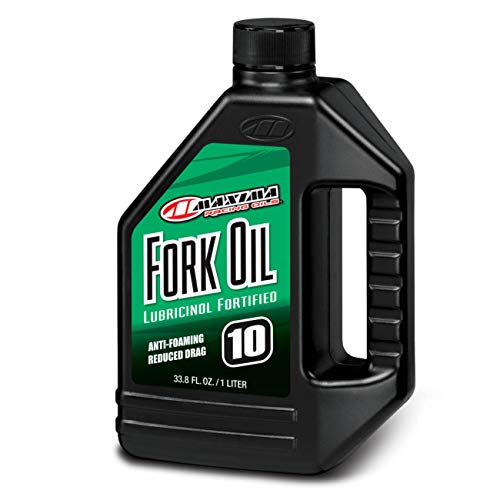
Fork Oil Standard Hydraulic 10wt.
Designed for cartridge and standard-type forks. Lubricinol-fortified formulation reduces overall friction and decreases stiction. Shear stable, high viscosity index formula maintains film strength and reduces wear. Maintains optimal damping performance by minimizing foaming and air entrainment. Keep More ...

Race Tech 200-S3501 Gold Valve Cartridge Emulator
Race Tech Caddies Gold Valve Cartridge Fork Emulators More ...

Tusk Sliding Sag Scale – Adjustable Aluminum Tool for Dirt Bike Rear‑Shock Race‑Sag Measurement
A must-have tool to help you precisely set your motorcycles rear shock sag. Makes setting sag quick, accurate, and simple. Fits hollow axle holes up to 24mm. Anodized aluminum body construction with an easy-to-read laser etched scale. More ...

Tusk Clutch Holding Tool - Adjustable Universal Spanner Wrench, Steel
Universal Fit: Adjustable arms accommodate a wide range of clutch hubs, flywheels, and variators. Heavy-Duty Steel Construction: Designed to withstand high torque during installation and removal. Non-Slip Jaws: Securely grips components without damaging surfaces. Ergonomic Handle: Comfortable grip p More ...

Clutch Kit Friction Steel Plates for 99-17 Touring Softail Dyna Twin Cam
Compatible Models: These clutch kit compatible with Harley Twin Cam Models 1999-2017 Touring Softail Dyna Twin Cam Models (excluding models with a slipper/assist clutch). Easy to Install: Perfectly fit for 37913-98 37932-98, our clutch plates kit have soked in oil, you can directly replace for the o More ...

MATAGEAR Motorcycle White and Black One Piece Leather Racing Suit CE Approved Protection (Medium)
1.2-1.3mm thick drum dyed top-grain cowhide leather for excellent abrasion resistance. Dual stitched main seams for excellent tear resistance. Schoeller Keprotec with Dupont Kevlar(R) at crotch, on inner arms, and behind the knees for perfect fit and ease of movement. YKK zippers throughout. Removab More ...
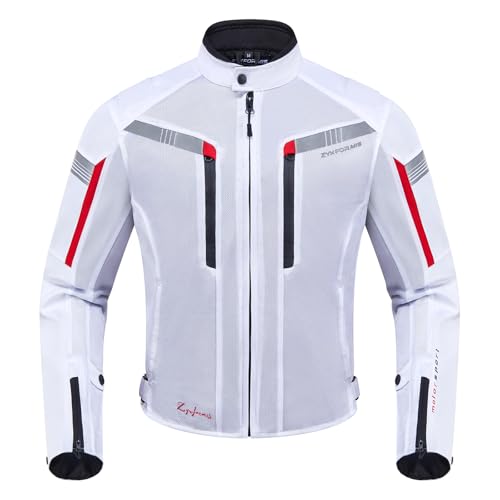
Zyxformis Summer Motorcycle Riding Jacket for Men with CE Armor
Breathable Mesh Design: Over 70% mesh area ensuring maximum airflow during hot summer rides, making the jacket extremely breathable. CE Level Armor: Reinforced shoulders and elbows with certified protection for impact resistance. Comes with a removable back protector for additional protection. Built More ...

Mens Thermal Underwear Long Johns Set Cold Weather Hunting Base Layer
Extreme Warmth and Comfort: Made from 90% polyester and 10% spandex super soft fabric, they also help reduce pilling and shrinkage. Adding some extra cozy, warm fleece to the mix, our long johns amazingly help to tackle extreme cold weather conditions. Strong Moisture Wicking: The unique breathable, More ...

Maelstrom Hydration Backpack with 2L Water Bladder,Lightweight Running Vest
All-in-One Hydration Solution: Maelstrom hiking backpack with water bladder combines durable nylon construction (1.1 lbs total weight) with 4 storage pockets and an aluminum-lined bladder sleeve for leak-proof, insulated coolingperfect for hydration backpack enthusiasts. Hands-Free Hydration System: More ...
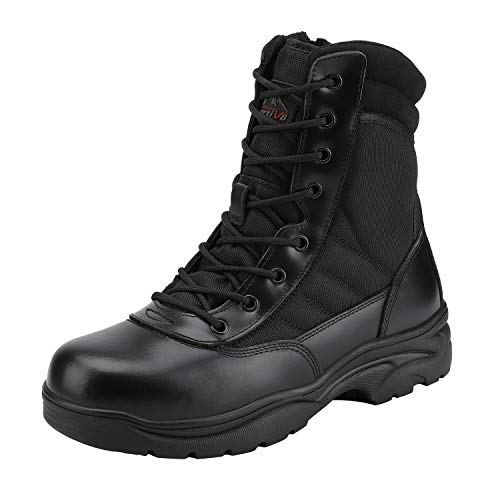
NORTIV 8 Men's Military Tactical Work Boots,Black,9.5
Protection & convenience: Ankle-high protection wraps & supports the ankles.The side zipper with hook-loop strap closure is easy to take on/off. Durable breathable: Breathable fabric keeps your feet cool and dry. And high abrasion resistant leather provides full protection. This combination structur More ...

Fox Racing Mens Flexair Ascent Long Sleeve Jersey Black
TruDri fabric moves sweat away from the body to keep you dry and comfortable. Main body utilizes recycled fabrics. Cordura sleeve panels for abrasion resistance and added durability. Relaxed fit leaves room for elbow guards and body armor More ...

K1 Race Gear Neck Protector Brace (Black, Adult) - 15-NEC-N-A
Package Dimensions: 10.16 cms (L) x 23.368 cms (W) x 10.16 cms (H). Product Type: Auto Accessory. Package Quantity: 1. Country Of Origin: United States More ...
Did We Miss Sump'm?
Sixty percent of the time, we're right every time. What would you add to the conversation and why? Your input is invited. Leave a comment and/or write an article!
Share Link ...



Thoughts gone wild? Write an article!