
Our FTC disclosure's magnum opus awaits here ...
Superbike School '26
Listen in as Team TRO talks CaliforniaSuperbike.com with Dylan Code. Music by Rabid Neon and Otis McDonald. Download our feed here.
Transcript
As legible as we are intelligible ...
Brian: In this episode, California Superbike Plans, All Things Inappropriate, and Daytona 1970 Part 27A-4. Opening announcements, news, corrections, and banter.
Robin: Speaker entry times are now shown in podcast players. Though I'll need to update YouTube manually, I think. Maybe use their API. Basically, when you look at an individual episode and scroll to the bottom, you'll see which host guest or segment runner begin speaking making it easy to avoid sensory overload from my lavish velvety vocalizations in favor of whatever segment slash chapter you want that's the only announcement
Brian: That's a nice way to put it there's someone you want to skip and now you can do it okay banter.
Robin: You go first what's good my friend
Brian: A couple of things i just a couple of things i just learned about from from other discussions uh helping other people untangle their wiring messes, and I thought they were interesting. Not sponsored. Very open to the idea, by the way, people. I usually, when I put together an accessory circuit on a motorcycle, I usually install a relay. I use a Bosch-style four-pin relay, set up wiring to trigger the relay, and then it powers either a distribution box like you have in your bike, or it goes up to the front handlebar and powers heated grips, etc., and so on. It's not complicated, but it looks complicated to a lot of people. And a lot of people just aren't comfortable with running wires all over the place. And I get that. That's cool, you know. So I thought it was interesting that I just learned about. There's a gadget from HeelTech. They're the people who make the Speedo Heeler. And it's called the Thunderbox.
Robin: Thunderbox. Box. Thunderbox.
Brian: Do, do, do, do, do, do, do, do. It's 80 bucks. And one of the cool things it does is it detects when your bike is running, it turns on the juice. and you can do some things to program what turns on, et cetera, and so forth. You can get a Thunderbox. I think the basic one's $80. And then there's another one that basically has two circuits that can do different things. So if you'd rather not deal with a relay and you want to make sure that your stuff is not going to drain your battery, that's a good option. I thought it was a really interesting product. And it's a tiny little guy. The other thing I kind of, in the same discussion I had learned, I didn't know this, is that Optimate, a company named Optimate, makes a couple of different chargers. They go from SAE, which is the two-pin thing, to a USB. And they make a couple of different chargers that turn themselves off after an hour so they won't drain your battery. Cool. Even if you unplug your phone, most chargers stay on when the bike is off. And a couple of days later, they'll drain your battery. It takes a long time. These will actually detect when the bike is not running, the voltage is whatever. And they turn themselves off after an hour. Thought it was pretty interesting. I don't have any of these. I just, not a user, not sponsored, whatever. But I thought it was a really great idea. Maybe I need to get one of those, but I've already got all my bikes set up.
Robin: So nicely done.
Brian: Last thing, Peter Egan, who I think everybody who rides a motorcycle should know who that is. Maybe they don't. Maybe they have to be old like us. I don't know. He has a new book out called Landings in America, and it's about traveling around the country in an old Piper Cub with his wife. It's not exactly motorcycle related, but he's such a well-known motorcycle writer. And he wrote about cars, too, I hear. Those four-wheeled things. But he wrote a column for years called Leanings in a couple of the different old-school motorcycle magazines. A lot of people know who he is. Great writer. Really interesting stuff. Really great philosophical thoughts. You know, so that's on my list. I'm going to buy it. I haven't read it yet. I think it came out around the end of the summer, and I just learned about it. And it's winter here. There's nothing else to talk about. It sucks. You would be horrified if you looked outside. So you're riding around New Mexico.
Robin: Yes.
Brian: Without a care in the world.
Robin: Yes.
Brian: That's why you went there.
Robin: Yes.
Brian: So tell us all about it and I'll just shut off my headphones.
Robin: Anyway, first I want to respond to these cool products. I love the charger for sure. The Thunderbox looks crazy cool. And I imagine it's detecting some kind of draw from the battery and processing that independently versus needing a trigger. I will say not. In contention with that but definitely on the website if you go to TRO and you search for Augs Power the one that I've been using yeah
Brian: You've got a little bit different solution in your bike and.
Robin: Oh yeah so my solution is 16 bucks it's a bare wire screw connector auxiliary power block with ground and hot two wires go to your battery and one wire goes to the trigger so that one's also really good check them both out and
Brian: What one thing I noticed that's interesting you're starting to see more and more is those little lever lock connectors uh those wagos or whatever you call them.
Robin: Yeah waggo wire connectors wire nuts they are very easy splice the wire jam them in there clamp them shut and the tensile strength is really good they're not waterproof though so that's the downside is like you know i keep mine under the seat and i just don't give a shit about low it's low voltage draw so not too much to worry about just
Brian: Just eyeball them every so often make sure you're not getting creepy green stuff happening and a lot of a lot of the connectors on your bike are not sealed either i mean you know there's.
Robin: We ride in the rain what
Brian: Are we going to do today we're going to go we're going to ride.
Robin: Speaking of which I am in New Mexico, as you know, and I am enjoying it. As you know, you'll be happy to hear. Depending on how this year goes, what I can tell you is I finally got the chance with Mags to go scout the entirety of the 59 ride for this riding season. Every year that road is a different situation because of how remote, isolated, and unkempt it is. It's an out and back and by my count there are three blind hazards on the out part there is a blind sand trap at the top of a crest to a hard right that was fun after about 2 30 or 3 o'clock you're starting to get a little close to the incapable of seeing hour really none of the major corners had that heavy pooled chip seal they were just two more randomly placed blind crest with a turn sand traps bike is full disco i know where they are i marked them they'll announce to me and i'll do what i do it
Brian: Sounds like tuesday in indiana to me but yeah.
Robin: Yeah but keep in mind new mexico sand in weird places the full field of view makes you feel like oh i'm gonna do this the sand has other plans for you that's he's gonna be ready for it
Brian: That's a route we did the first year i was there because it wasn't snowing that day and that was a lot of fun yeah that was a lot of fun.
Robin: We did make it to winston last time we
Brian: Made it to winston and i'm like let's not you do what you want i'm turning around because yes.
Robin: That's brian sitting in winter thinking about the road that he rode when he was roading but having just done it and doing it regularly i know that that's one where i'm like yeah okay here we go let's see how many cows and And we saw elk, six of them, in the road. Maggie got to see elk up close. Then we saw 12 mule deer outside of the Winston General Store in the intersection.
Brian: Just kind of, sup, what's up? Yeah, yeah.
Robin: That weird constipated walk, all that stuff. But you know what? Freakishly, all the way back from the very end of the out section was hazard-free, which is a rarity for that road. I'm used to it having constant, hectic, next comes this, going to have to deal with that, and that's all gone.
Brian: That's kind of a last day route. does that because it's pretty challenging if you got to be on it you got to be well rested.
Robin: If they make it to the start of devil's highway through devil's highway i'm gonna be like all right and then we do the valley back the iron mountain run is one of the most treacherous paved roads i've ever personally experienced because of the remote nature of it just a lot of outside influence on what is supposed to be i'm going to take a corner instead it becomes i'm going to dodge that buzzard. A lot of it.
Brian: All the best roads.
Robin: Outside of that, I'm going to swap out a blinker on our scooter. That's it. Yay, scooter. You feeling some questions from the wild?
Brian: Questions from the wild. So if you'd like us to field your questions, visit email.tro.bike in your web browser to place signals into our brains via the interwebs. E.P. asks, I have a disability where I can't really move my left foot in certain ways. How do I add a heel shifter to my sport bike? I thought that was a really interesting question. Yeah, there's not really a kit to do that. He or she had an R3. It's the little Yamaha. And I don't think this is not something you really find kits for, but it is something you can improvise and make something. But I think it is the whole topic of customizing your bike. I mean, everybody, you need to adjust your controls to fit you. If your body works in a different way, you also need to do the same thing so you can ride safely and ride comfortably. The conversation got derailed for a while because people didn't understand that EP, his body didn't work the way everybody else's did. And they're like, oh, you must be some kind of cruiser rider wanting a heel shifter. You know, what a dumb question.
Robin: People don't read.
Brian: Yeah, it is a shame. Yeah, the kits like that don't really exist. But in the case of this bike once yet once i was able to find a good close-up picture of the of the left side of the bike i was able to see that the the shifter and where it pivoted and it had like a little kind of a triangular plate you know you could go to a motorcycle junkyard and you could probably cut off a shift lever and you could turn around backwards and you could drill some holes and bolt it and then adjust it and then weld it you know you could figure out something with a little simple fabrication but you need to be able to you know you need to have a drill and and be able to do some of this stuff and think it through what do you think he.
Robin: Has mostly asked the right person you yourself have made adjustments to how you ride based on events prior
Brian: That's true yeah it.
Robin: Hasn't changed much that i've seen in your approach to riding but to actually round up to the 100% mark of who could handle this question, I invite the listening audience to check out our interview with Jamie Pauls, a one-armed left-handed man who moved his throttle over to the left side of his V-rod, cut a series of shifters in half, and his two outside fingers could use a clutch, and his inside fingers were controlling the front brake. This is just one of those things where I know what Jamie would say there are no problems only solutions See if you can, as Brian would say, work the problem, DIY your way through the math. Is there any math of modification that can be added through the hardware store sections? Anything that allow, okay, threaded dowel, notch connections, star connections, everything that allows him to just fasten it to this, that goes here, this and that, and make sure that it's safe. If that doesn't work, you can now bring that to a legit fabricator and say, I've been trying to get this to work and it hasn't been working for me. can you help? They'll see what your thought is. They may give you a better suggestion, a safer suggestion, a better approach to it. I doubt it would be all that much. Do it cash in hand. Don't sign some contract or give them a bill where you could sue them for their mistake doing you a favor. Just go find a fabricator and pretend it never happened and see if it works for you.
Brian: Yeah, I think there's solutions for that. And I thought it was just one case study. And I started thinking, I think I could go downtown to the motorcycle junkyard, get a shift lever, and I bet I could put something together in my garage, you know, to get someone on the road and get them happy.
Robin: The next one we got is CF asks, I've been using ChatGPT to help me figure things out as I work on my motorcycle. Pause for Echo. Would people use an AI mechanic helper?
Brian: Now, here's the thing. Robin has a lot more experience with actually doing actual useful things with AI.
Robin: Yeah, it's a babysitting gig is what it is.
Brian: Yeah, yeah, it's babysitting. Our reaction was the same. OMFG, no, please don't do that. You're going to die.
Robin: I'll play the argumentative card after, but I don't disagree with you.
Brian: The answer is OMFG no, at least not until issues of sourcing feedback and hallucinations are solved. It's not only looking out on the internet for all the weird, dumb stuff that people post on the internet.
Robin: Here's all the wrong answers I was able to find.
Brian: Yeah, here's my wrong answer for a different bike. It's also the thing that's really infesting motorcycle spaces on the internet is people will type something in the chat GPT. You'll come up with an answer a crackhead would have given you. And then they'll paste it in and say, here's what ChatGPT said. Is there some reason I shouldn't drill holes in my spark plugs? Yeah, you're going to let the compression out. But I can envision some changes, and Robin may have a better handle on how realistic some of this is. And I gave a couple of examples, like one, one thing, and we ran into this with the, with the valve check from hell, the valve check procedure references about 12 different other procedures that are scattered around through the manual. So if you had a way to, to take a, an AI and rub its nose in the manual and tell it, don't look at anything else that, you know, something where like, go find all these pieces and put them together into something coherent, where I start with removing the plastics and it goes through step by step, that kind of thing would be kind of interesting. I have no idea how to do that.
Robin: As you and I are both huge fans of the big four, if we buried its face into the factory service manual, at some point it has to say, assembly of Japanese motorcycle require much patience.
Brian: And tiny little fingers.
Robin: Yeah.
Brian: Step one, find a gnome.
Robin: In my documentation of the GSX-8R valve check which is going to point to a lot of motors the first instruction after you order the manual is to order color-coded page markers yeah we divided it up we had pink and green the pink was for all the plastics and the green was for all the actual motor work and it is a choose your own adventure it's a different manual every time you crack flip flip yeah yeah and to the point where it's like i'm gonna have to get it drilled out and bound like you were talking about, like just get that thing hooked up in a binder. It's a lot, or try to get a scan if I can pay them to do it.
Brian: Yeah, and I was going to say, like even just burping the coolant, there's a whole story of its own. But anyway, we finally did it.
Robin: It's poorly documented, all of it. It's in there.
Brian: We had to look in two different places. There was a picture of a black hole. Like there's a picture of a blob of nothingness.
Robin: Yeah, the screw that actually burps the coolant.
Brian: And there's a little arrow pointing to the nothingness. There could be anything, a Sarlacc, there could be anything in there.
Robin: It's a vortex.
Brian: The procedure for this was absolutely in two different places at least. So we had to flip. And we finally figured it out.
Robin: It's as though if you weren't dedicated to them in the past, then you're not going to know enough to get through what they provided in the now. And that makes me giggle a little bit because I had a Brian Ringer on hand. It helped a lot too. My answer to the AI help of any kind, when I talk about AI, there's two kinds of people that now know me. One side thinks Robin only uses AI. Like i didn't build tro's entire code structure by myself from scratch which i did and wrote now it's oh the whole site's just ai no no no or like all of the articles that robin writes like you don't ai doesn't hallucinate the way i do
Brian: Okay yeah no.
Robin: You want to read one of my articles you're gonna damn well know that i'm the one that wrote it
Brian: Extremely organic yeah.
Robin: Brian's the king of it. You pick the $10 words that I emulate. Like, I can't say exactly what he said. I'm going to have to imitate it in some way. I do my thing. But then there's the opposite side, where because I don't rely on its response, I'm somehow not part of the trend. That's dumber.
Brian: Yeah.
Robin: The trick to AI is a very solid philosophy. If you want to work on what you're working on while it gives you a response, keep on trying to figure out your own response in the meantime. Then its response, weigh it test it do not implement it until you confirm it because it will get shit wrong its only job is to speak a language the next part factual information they're working on it they are but it's a spiritual battle in fact it's a spiritual battle I've got AI prompts that we can use with this podcast if we just want to siphon out some news, something interesting to talk about. So I've got a sport touring motorcycle news prompt and a questions from the wild prompt that just sort of yanks some information from various websites. I then confirm that that's some real shit. And I also only confirm the stuff that I want to talk about. Whoa, that one's cool. I want to discuss that. And then I put it into my own damn words. moral considerate and well-tested use of something that is assisting you be independent about your decisions you need to do that with a wrench in your hand as well so when you are looking at your pride and joy bike and you see two cylinders and it mentions the third cylinder that's not good advice from anything that is inhuman anyhow so you dig use with extreme caution and intense hence scrutinous confirmation.
Brian: Yeah, like you said initially, it's a babysitting job. And one other thing, I think it would be, I don't know if it can do this yet, but I know AI is being used for chip design and some stuff like this, but I would love to be able to feed in a wiring diagram somehow. And again, don't look at forum posts, don't look at whatever, don't look at social media, look only at this, rub your nose in this wiring diagram, It's scattered over literally 80 pages of a manual. I like this. Look at this and what circuit does what? What does this do front to back? How does this circuit get power? I could see a machine doing it. I don't know if anybody's doing it or not.
Robin: It's an idea.
Brian: So an episode or 20 or 30 ago, Dylan Code graced our little corner of the web with a lot of proactive suggestions. His aim is to inspire writers everywhere to learn a bit more about what they're made of one lap at a time in a track learning environment. We invited Dylan back to catch up on what is as well as what will be over at California Superbike School. Here's how that.
Robin: Welcome back, Hill & Code. Thank you for being here.
Dylan: Yeah, great. Thanks for having me again.
Robin: I've got three very generic questions that I feel do the job. Brian's got some beautiful abstracts going on here. My first question is, did your school try anything new this past year, or did you stick to that which has proven precise?
Dylan: The school's kind of like looking at an hour hand. If you look straight at it, you can see it move, but if you go away and you come back. So basically, it's really just sort of creeping along in, I hope, the right direction, but refining the systems, whether it's behind the scenes stuff, whether it's how the mechanics change the tires, or what we're saying to the students, or just the actual content of the classroom. So we're always kind of morphing and moving. So if someone, like I said, they go away, they come back, and they go, oh, yeah, things have changed. Not too much. The DNA is the same.
Robin: So same general structure. Have any moments or events during 2025 inspired any ideas or new considerations for next year?
Dylan: One of the big things is we got our eye tracking glasses. So basically you put these special glasses on a rider and it's got these lenses that can track exactly where they're looking. When I say exactly where they're looking, I do mean exactly where they're looking. And this opens up a whole new realm of What's someone doing with their eyes? What should they be doing with their eyes? Where are the departures? And what circumstances would perhaps be outliers or situations where our general rules or what we've seen so far are a bit disproven, in other words. What are the exceptions? So there's that. And that's really cool because I've been able to put it on myself, brand new riders, or maybe not brand new, but new-ish riders on a Moto America racer who's won a few championships. Young female racers just started. Old Salt and everything in between to really start to get a bit of an understanding of where are riders, what's the baseline and then what separates a good rider and not so good rider. So there's that. And then I just got a video today from our Taiwanese branch and they've got some tech resources. They figured out how to create a stress gauge on a motorcycle so that you can tell with a video overlay of effectively the rider's point of view of a forward-facing camera to see exactly what pressure is being placed on the handlebars at what point, whether it's fore or aft pressure. And then you can see the real-time result of that. So there's those two things that I'm pretty excited about. Now, what they're going to do is to confirm some biases. They're going to blow a few previously held notions out of the water, I'm sure. And it'll probably refine our view of these topics. But these are major and basic topics that people talk about, they argue about, they discuss ad nauseum, but without actually any really, really hardcore data. And that's what we're getting now. So we're getting something really, really hardcore. And no one else is doing it, really. I mean, yes, high tracking data has been around, but no one's really used it to the extent that we have. So it's pretty cool. We're sort of blazing a trail in those two areas right now.
Robin: Nice. I mean, for the past two-thirds of my beginner-level rider coaching career, like new riders, I've sworn, as people do, you know the box of what you're inside of what you know. You don't know what you don't know. So my coaching strategy has always been, you know, point your nose in the direction of travel. You want to turn your head, that kind of thing, which honestly, when you see the eye tracking, that's not necessarily true. The eyes need to be looking, or maybe I'm getting this wrong. I would love to hear your take on this.
Dylan: It's never wrong to square your face up to your intended path of travel, but of course, This is where we start getting into the advice that came from your fun uncle, which is to look as far through the corner as possible. But if we really went to the extreme on that, and we're in a situation where you can see four corners ahead, are you supposed to look at the fourth corner? And the answer is no. So if the answer to that is no, then where really should we be looking? And we'll find that some riders tend to look a bit too far and they have to backtrack. Or we know that the newer riders tend to look too close.
Robin: I'm so happy you said that.
Dylan: Yeah.
Robin: Both angles of that, both sides.
Dylan: Right. So as far as where to point your nose, let's say, that would really be defined on, well, how far ahead do we really want to be looking? You know, if you're approaching, let's say 180 degree hairpin and you haven't quite tipped the bike in yet, but you're already craning your neck all the way over to the exit, that means you're not really looking at the meat of the corner and just relying on your peripheral to make sure that it sorts itself out, isn't uh isn't viable and it's not what it's not what top level riders are doing anyway okay and a parking lot for sure you you look over your shoulder and you whip it around so of course yeah
Brian: That would be some really interesting stuff to get into and see what just at all levels you know get into street riding see where people are looking what eye tracking just has so much potential what.
Robin: Do you have in store for 2026 be it something big or subtle that you haven't talked about. Give us a scoop over here. What do you see happening?
Dylan: So we're going to a few new tracks or tracks that we haven't been to for a long time. So we're doing that. And I think everyone who has managed a business or a company has run across the situation where you've got this plan. You sit down maybe with the leadership and you come up with this really, really nice, coherent plan. And then life gets in the way. In other words, it never gets executed. And the one thing we've learned over time is you can get knocked off of scripts. Fairly easy by things that emerge. But what we found is that there's nothing really wrong with the planning. It's just actually fully executing it all the way through. We don't want to be a flag. In other words, when the wind starts blowing in a certain direction, then we comply to that. And then the wind blows another direction and then we go over there. This is the buzzword of the day in social media about riding. Let's dive into it. It's not necessarily something that works long term. So stick with what you've already got and follow through with your original plans. And then of course, you're going to have to modify along the way. But there aren't like these major, major changes that we're going through. It's really more of a slow evolution, if I'm honest. If there were any major changes, it would be in response to major changes in the market.
Robin: It sounds like you've met the word subtle. It's just like little things here and there, little adjustments or inspirations and things like that. Rocking.
Brian: I detect a couple of new tracks this year.
Dylan: New to us or tracks that we haven't been to for a long time. Buttonwillow is kind of in the Bakersfield-ish area. They just built a second track, which they call the Circuit. So we're going there and that's been around for maybe about a year so far. But we're going to go to Carolina Motorsports Park, which is new to us. Jennings in North Florida. We went there, I think, I mean, like more than 20 or 30 years ago. But there's Jennings. We're going back to Utah. It's been a long time. And maybe you do or don't know, but Larry Miller, who started Miller Motorsports Park, you know, he passed away. And of course, as soon as he passed away, his family is like, all right, let's get rid of this track. It kind of changed hands and went through a little bit of upheaval and things have settled down. So now we're going back. Mid-Ohio.
Robin: Oh, Speedway.
Brian: Yeah.
Dylan: Yeah. So that's been repaved. And we couldn't run there, nor could Moto America, basically, because if it rained, then it got super sketchy. So they repaved it. So we're really happy to go back there. That is just an absolute joy to go to. Chukwala. So we don't normally... We've never gone to Chukwala, even though it's a staple in a Southern California sport bike community. But we didn't go there just mainly because it's just so far out in the boonies. And if someone wanted to rent a hotel and not stay there, they had to drive a long way, etc. But anyway, we're going. And we're going to Podium Club in Arizona. And that's a fairly new track. That's been around for, I don't know, a year and a half or something like that. I love going to new tracks because there's this... It's one thing to go to the track that you're familiar with and refine your technique. But when you go to a brand new track, you got to learn the track and make it all fit together. And that's a... It's a really... I mean, it's difficult at the very beginning, but it becomes quite rewarding when you do go from... I'm not riding to the level I know I'm capable of to, okay, I'm riding at the level I know I'm capable of. This is cool. Everything's starting to gel.
Robin: Nice.
Brian: I thought it was interesting. Like there's one track anywhere near the Midwest, mid-Ohio. And I was wondering, is that market forces? Are we just too, they're just too, I'm in Indianapolis, by the way. You've got an enormous logistical operation, something like 50 events, something like that.
Dylan: Yeah, it's usually somewhere between 70 and 80 days in the United States, not a foreign dates. And you can really get an idea once eight or 10 people say, if you go here, I'm there. And then you say, okay, great. You schedule it. And those eight or 10 people sign up. And that's it.
Robin: Oh, yeah. Yeah, that's your menu.
Dylan: Yeah, not literally, but you get the idea. So when we choose a track, it's got to have a safety element. We got to make sure that we're not going at the wrong time of year. We're not to fit a bunch of different elements with regard to the schedule you know it's like let's say we always run willow springs at a certain time of the year and then they've got an opening that's you know the next week well we're not necessarily going to be able to get over there in three or four days to set up so it's really a multi-factor thing is that really decides when and where we go oh
Brian: I bet yeah and i do know the tracks in illinois wisconsin michigan they are booked book, book, solid. And I'm sure that's an issue too.
Dylan: Yeah, you got to squeeze. At some tracks, you have to squeeze your way into the schedule. And then once you're there, you kind of get first writer refusal on getting it the following year. Resurgence, that might not be the right word, but people are interested in The car side, I have a feeling it probably has something to do with the F1 documentary series and then probably a few other factors that I don't have identified. But it seems like the interest in taking cars to the track has definitely expanded. So then you get cars versus motorcycles. So the motorcycle public is... A certain size, the track day public, it's a certain size. And during a COVID year where that's really one of the few options, it's going to grow to a certain percentage. And then if there's some sort of an economic downturn or whatever, it's going to shrink to a certain percentage. But it's fairly calculable. I'm just kind of going by my anecdotal sort of observations. So maybe the facts indicate slightly otherwise.
Brian: It kind of relates to one thing that I was really wondering. You kind of touched on this track days for motorcycles and those four wheeled things we don't care about. But anyway, track days for motorcycles, I think, have been getting more and more popular. And people are I think people are thinking more and more about skill and learning and so forth. Have you seen like your average student who shows up, are they better or worse or different? How are they different these days than they were 10 years ago or whatever?
Dylan: That's kind of hard to gauge because what you end up with is, let's say in the earlier days, it was really more the track-specific people. Someone maybe did club racing or did track days and then they wanted to improve their skills. But it's kind of morphed over more into the lines being blurred where someone who's a casual weekend sport rider gets their friend asking them, hey, do you want to come with me to a track day? And then they go or they want to improve their skills and they come out to a school like ours. These lines are more blurred recently. And it's certainly more blurred with the track day organizations where their control riders, some of them are being referred to as coaches when they're not coaches because they haven't been trained to be a coach. So if someone has 15 years of track experience and they've helped out at their friend's track day organization over the last 12 years, and they have a friend who's in the pit for a Moto America team, and they really feel like they know anything and everything there is, or at least most of it. They haven't really been trained on how to coach somebody. And that's a totally different thing. You know, a good shooter is not a range safety officer.
Robin: Yeah.
Dylan: People seem to be moving themselves into, we're a school and I'm like, you have no curriculum. Basically, your curriculum is based off of what you heard at other schools and what you're seeing and hearing most often on social media feeds. They're not really like a pro outfit. With that being said, most of their help is really helpful. Most of the help is good anyway, but it's not the standard that I would call a school. A gym regular is not a personal trainer. Yeah a personal trainer should have background in nutrition and you know your basic biology and a
Robin: Bit of physiology
Dylan: Physiology physical therapy you know just they should have some actual formal training and all those things you know rather than just a lot of online kind of rummaging
Brian: And it really highlights the difference i mean you guys are a school you're here to learn you have instructors and and yeah track day is a little more casual and it's more like be safe, have fun, learn things, figure it out. But yeah, there's not a lot of coaching going on. It's one of those things where people are going to make a lot more progress a lot faster and learn a lot more in those two days or one day, whatever. You could do 20 track days and learn a lot more in two days is what I think I'm hearing here. One thing I wanted to mention, there's a recent article published on RevZilla that you wrote about trail breaking.
Dylan: Yeah, yeah.
Robin: Right after our podcast episode, the one thing we didn't discuss, and it's called terminology dermatology. People are talking about two different things referring to the same thing, and they're not talking about, they're not saying the same thing about it. And at the end of the episode, we were like, we'll talk about trail breaking next time. And it was an argument. Next thing we see is Revzilla.
Brian: All debate is over. It's settled now.
Robin: It's written. It is done.
Brian: Here's what it is. Here's what it does.
Robin: We're just going to read your article word for word.
Brian: It's the clearest explanation I've ever seen of what trail braking is and is not and how to do it. So I just wanted to say thanks for that.
Dylan: There's been a narrative that's been pushed, and it's true to a certain extent, where some people are saying, no, you shouldn't trail brake, or yes, you should. And then so it then became almost like a red and green thing where... You should always do this or you should never do this, the context got lost because I think if someone's trying to make a point about a certain technique, they tend to embellish it or really hold it up as, this is the thing that's been missing. I'm saving it. And then they'll basically use every trick in the book to get you to believe that this is really where it's at. This is what's been missing in the world. This is the cause of all the evils and crashes, etc., etc. And you go on and on and on. And while that's going to be true in a large number of instances, I think when someone hears that, they just kind of go, yeah, but... And then they kind of walk away with a little bit of a question in their mind. Like, especially, you know, if you're in LA and you want to go up to ride, you can go up to Angel's Crest, right? And Angel's Crest, it's a nice road. Is it one of the great roads of the world? Probably not, but it definitely works. And the first maybe six miles is all uphill. And there might be a few areas where it crests off, but it's all uphill and there are very few straight arrays to speak of, but rather more rhythmic, right? Yeah. So how many people are coming into a corner fast enough to have to carry the brakes down into it? As soon as you roll the throttle off, you've already lost, let's say, six or eight miles an hour. But then when you turn around and you go back down the hill, Then you've got that momentum. So you are trailing the brakes quite a bit, but someone on their way up, they're not going to be trailing the brakes very much or maybe even at all, especially if they're trying to leave a safety margin. And they're kind of scratching their head going, well, I should be doing this, but I'm not. And someone say, well, it's okay. This doesn't apply in those situations, but let's go down the hill and then we'll see where it applies. So I just wanted to try and put it down in the middle so that people understand what it is. But again, like so many people just didn't even understand the word trail in the context of trail braking. And the whole thing of it entering into like, okay, well, you can trail the rear brake. Well, yeah, you can, but that's not really what they're talking about. And the editor there at Revzelli says, hey, look, can you write an article for me? Because we did a little research, and apparently the most searched term is trailbreaking in the whole wide internet.
Robin: It's a bunch of MSF instructors, I promise you.
Dylan: The most talked about term is also trailbreaking. Does that tell us that people are coming up with somewhat or slightly confusing or contradictory information?
Robin: Oh, absolutely.
Brian: Not just slightly confusing. Yeah.
Dylan: Yeah, and it was well-received. People read it. Normally, when you post something online, you're going to have a certain percentage of people that are just going to rail against it for one reason or another because that's what you do is you argue with strangers on the internet. And... But it was well-received. I didn't really get any like, oh, well, you know, that wasn't very good. So I was happy.
Robin: There's a lot of curriculums out there where people who contain themselves to that curriculum and that curriculum only, they see the world as flat and that the outer edge is the boundary of that curriculum. Anything beyond it, it's like they're just falling off the side of the planet. You know, I've got a lot of love for any curriculum that gives me new knowledge when I walk away from it, yours included, just sitting here talking about it. and the MSF thing. It's like trail braking is just braking beyond the entrance of a car. It's like, I love working with them. I'm a proud rep of that mindset, but everybody has a way and you provided a rounded perspective, a complete take on it. I thought it was fantastic.
Dylan: Yeah. And, you know, part of it is our fault because at the Superbike School for many years, we didn't have a specific exercise for trail braking. It came up as part of another exercise and then it was a part of a higher level. It wasn't pushed down in the lower level. So it then became a point of criticism or scrutiny. And then, you know, when you get two people to do the same thing, of course, they're going to Yankees and Dodgers, Ford and Chevy.
Robin: Yeah.
Dylan: Anyway, we said, okay, good. So let's just put this square in the middle of the curriculum so that we can calm that down and then develop some more information about that. Look at data, like I was saying earlier, look at the breaking graphs and see what we can add to that picture
Brian: The article's got the graphs of the brake pressure transducers, and here's the science for this, you know, and here's how the traction circle works. Yeah, it needed to be done. Dylanko did it. The mic is dropped.
Dylan: The funny thing about it is people will go online and argue about technique and technology on and on and on indefinitely. And there are engineers who know all the answers, have all the explanations, and don't even bother. It's like, you know, someone who works at SpaceX trying to explain how the Earth is round. They're like, I don't have time for this.
Robin: Totally related question. Brian's last question. Bridges completely smooth transition.
Brian: Smooth. Like, like, I'm kind of the mechanical geek of us, too. And I really I'm just imagining maintaining and keeping a fleet of track bikes running and everything. How does that all work? How are those BMWs holding up? What's kind of weird about track use?
Dylan: We use them for a year and then give them back. Some of them get a lot of miles on them. They get as high as 18,000 miles in a year. It's kind of weird because at the end of it, we sell them. And then we go to the auction guys. What's an S1000RR worth with 18,000 miles that's one year old? And they're like, don't know. We've never had one come through. They don't exist. This is the first we have. We don't know what they're worth. I went to Germany and toured the factory in Berlin. So you just saw all the work that goes into it. And I'm sure every other manufacturer is just as careful, or if they're not as careful, they're going to be very close to it. What seems to be the case with these new motors is there's a certain threshold of horsepower that you can get up to, and they run great, in fact, indefinitely. And then you just add about 20% more and they don't hold together very well. You can get 200 horsepower out of a 1,000. But then when you go to 240, that's when you're like, okay, you know, fingers crossed. Because the super bikes, they get rebuilt every 800 miles, right? If it's a Moto America super bike. So they don't know how long they're going to last. They don't want to stick around and find out. But if the motors mechanically sound, you know, they've had double R's with like 80,000 miles on it. And it seems like if they make it to past a certain point, they just keep on going forever.
Robin: Beamer.
Dylan: Yeah. And then if there's something wrong with the bike, it's usually a bad part resourced. They make a certain portion of the parts in-house, but not much. And it really is, Berlin is like this hub where shipments are coming and the trucks are lined up all day long. And all they're doing is just constantly bringing out parts. And then at the other end, bikes are coming out. But they're constantly just loading parts, loading parts, loading parts, and then bikes come out the other side. So they're getting swingers from China. They're getting electronics that are made in Vietnam or Cambodia, etc., etc. So you need to make sure that the parts that go into the motor are good. And they come up with a SPAC, and then they get the samples, and everything's good. And then it's Friday at 5. And someone at the factory isn't paying attention. And I'm talking about the factory for the parts.
Robin: The pipeline.
Dylan: Yeah, you fill in the blank, whether it's Kawasaki, Suzuki, etc. They're going to have all these source from all over the place. So the point is, yeah, the bikes work great. And if there's a problem, the problem usually shows up right away. It goes, it gets a warranty case, they fix it, and then you're back running. But they're very good if there's something, they want to know all about it. It's like, what? Did something break? Is something not right? Let's see what it is. And then they're going to chase it down and see what's going on. Do we need to switch suppliers? Or is this an outlier?
Brian: So it's kind of a partnership with BMW. They want to know what's happening.
Dylan: Yeah, but not specifically from us.
Brian: Oh, they just want to know. Okay.
Dylan: They're way more German than that. If you have a problem with a bike, you bring it to a dealer. The dealer goes through a very, very specific procedure. They log in on a computer system. All of that data from all over the world is crunched together. And then that goes to engineering. They're not going to ask, hey, what's happening at the Superbike School? They want to know on a very, very broad basis. And then, of course, they get the VINs and they want to see, are the VINs close together? Are they from the same batch or not? You got to be good nowadays because customers are quite demanding. They pay money and they want a really good product. And if they can't get it, they'll find someone who can give them. the right product.
Robin: There it is.
Brian: I don't even want to know how many tires you go through.
Dylan: 400,000 miles on the fleet. Yeah, it's a lot of tires.
Robin: So you guys have a couple of Rabacandas?
Dylan: Oh, well, no, we just have the regular tire machine.
Brian: Just two old guys, I suppose.
Dylan: Oh, yeah, yeah, right.
Brian: Giant arms, you know.
Dylan: No, yeah, we take them off and we lay them on the ground. We have a car drive over the side of the tire,
Brian: But not the rim to break the bead. These little tricks.
Robin: Yeah. Explosive fluid into the tire to get the bead up.
Dylan: To set the bead, yeah.
Brian: Totally professional.
Robin: I'm sure I don't have a read off. I want to say always a pleasure to have you on the show. You set a hell of a high bar setting aside time to sit down with us. Really appreciate it. The website, superbike school.com all one word, learn what you can about what your opportunities are up your track game, learn more about performance. Learn more about the geometry of you, your bike and what it can and cannot do. Brian, what do we got next?
Brian: That's inappropriate, Robin. No, really, that's the title here. That's inappropriate.
Robin: Perfect. I think this segment is my spirit animal.
Brian: Let me lay down a thesis for you. What I want to talk about today is doing inappropriate things on inappropriate bikes and inappropriate places with inappropriate gear and possibly even, or actually definitely even, with inappropriate people.
Robin: Have we met?
Brian: So the point is, I think getting stuck in over-optimization, over-planning, this big loop of ever-increasing, ever-widening anality, shall we say. And any discussion among motorcyclists, at some point it devolves into what's the best gear, the best bike, the best route, the best bags, the best oil, the best chain lube, the best fork oil, the best gas, the best crotch powder, the best tires, on and on and on and on and on. And... You know, there's no such thing as an ideal ride.
Robin: Those are all the best decisions that are made before they ride to the cafe and then sit there for the day.
Brian: When I think back, some of my best memories are when I was doing something really inappropriate, entirely unexpected, just kind of in the moment and discovered and did something new and something interesting happened, something funny happened. And Robin and I have done this a lot. Like we're not really that freaked out by gravel. So we'll, oh, it turned to gravel. Well, let's just see what happens. You know what's the worst that can happen you know that kind of thing i know we you know let's get through this construction zone i know you know and you know no you okay yo hey you all right dude.
Robin: Burleson called me out last episode and i edited it out yes i did production power
Brian: Just to give an example to get things going like one of the one of the things you'll see are people that are doing like a cross they're crossing the united states on a monkey with a backpack you know yeah doing stuff like that you know the whole point is that it's kind of stupid and inconvenient and inappropriate and there's stuff i've done like you know i'll stop at a walmart and get some shopping bags and put them in my boots for socks you know when i'm cold because i don't want to go home and i don't want to but i want to keep going that kind of thing you know grabbing a sweatshirt at at goodwill improvising a fix using crap you find at a farm store you know that kind of stuff the next day it makes a great that evening it makes a great story yeah and then there's stuff I've done, like, I'd been cooped up with a bunch of family in the house and cooking and cleaning and cooking and cleaning and trying to keep people from smoking in my living room and blah, blah, blah, all damn day.
Robin: Not going insane. Not going insane.
Brian: Yeah, not going insane. Yeah. And it was like dead dark outside. It was raining. It was like 45 degrees. And I'm like, I'm going to go for a ride. I need to reconnect with the real world. And, you know, I didn't really go anywhere special. I did about 40 miles in pouring, drenching rain. And I came back feeling a lot better. It was highly inappropriate. I was the only motorcycle in the whole state.
Robin: Yeah. Wow. I better have something to contribute. I'm going to need your help there. but the only one i can think of so far is this year's sevens rainstorm
Brian: Well one one good example i can think of robin is last year in wisconsin there's all these roads that they're just like oh the farm closed down over there and we'll just stop having a road here yeah and so we're on sport touring bikes you know bounce you know just keep going you know yeah we what we needed was a dirt bike.
Robin: 70 miles an hour, 70 miles an hour, 70 miles an hour, blind crest. There isn't a road anymore. Gravel, pocked dirt in people's yards. It was confusing.
Brian: Yeah. And stuff like, you know, closed roads, stuff like that. Just, you know, I've seen people get really upset, you know, when a route is, this is not what we planned. You know, my day is ruined. No, you're on a motorcycle. Deal with it. You're a human being, presumably with opposable thumbs. Maybe not.
Robin: Definitely an art form to know your audience this is a big deal because i have ridden with friends who they saw something they wanted to ride and then approached me about it i said yeah let's let's freaking do that me i'm all about it i'm gonna have a ball whatever the corner is i'm gonna take it at threshold pace with a big old dumb grin on my face and then we look back and there's nobody there they have stopped the bottom of something because this wasn't what they wanted to do. Maybe nobody asked them. Maybe they should have. These things have and may happen again in the future. Who knows? But I do get that. I remember one seemingly inappropriate ride was for an injured friend. I've never done anything like that in my life. Never a fellow friend of ours said, I'm coming with you and rode like what was it it was like a hundred some odd miles to a hospital and when we left there the division in weather you could reach your arm out and feel the rain reach out the other way and feel the heat of the sun which direction was i going to be riding in the rain purple lightning Everywhere about 30 minutes from the pitch black flooding insane torrential downpour we stopped at a gas station and a redneck in a pickup truck said you two are tougher than a woodpecker's dick i've never heard anybody use that phrase but apparently we inspired that guy you know then wiped defog on our helmets didn't know i was supposed to take the damn helmet off first stoned on rain axe in the dark rain hitting me at a 45 degree angle accidentally plow into a flooded bridge area. We were in a foot of water for about 50 yards and just hammered it at 60 miles an hour. This... They have rooms at the hospital for $25 a night. This was an inappropriate decision.
Brian: Well, yeah. Yeah, you made it, so it makes a good story now. Now, that one wasn't what you'd call a fun ride. Inappropriate is one of the main attractions of the KLR 650. I have a KLR 650. It is a bike that sucks at everything, and it is pretty much almost the most fun I've ever had on two wheels. Go anywhere, do anything, doesn't do anything well. you're doing inappropriate things like frying the knobbies on the dragon and and leaving the the squids behind on a mud-covered bike that smells like cow shit the frame was designed in the 80s and it just you know just wheels and it goes back to the old saying it's more fun to ride a slow bike fast than ride a fast bike slow because. You can do the, you can do the dumbest shit on a KLR and get away with it. And it's just hilarious, you know, like, oh yeah, the frames flexing all over the place. These forks are pogoing around, but I'm making it work and I am having a ball and, and hey, where'd everybody go? You know, it's great. And even off-road, you know, like there's, you know, there's stuff, you come around the corner and there's this giant baby head hill, you know, like big rocks. It's really difficult to get up. and you're like well you start chugging and you make it i don't know for some reason you know the the person on a dedicated dirt bike that just sort of you know happily doing doing you know there's a little bit of struggle to the klr i don't know what it is but it makes it really it's always inappropriate no matter where you are this is not the right machine for whatever job is at hand but i'll make it work it's fun another thing is there's always this question oh what what bike should i get what bike should i take to my first track day whatever you got you know yeah even if it's inappropriate matt showed up on some weird little super moto i don't even know remember it.
Robin: Was great he doesn't know it but i swear i saw hammer into turn one he doesn't know he was just like yeah i'm where you know building the speed up i'm working on i was like man i saw a gi joe figure just blasted a corner had a whole ass on and
Brian: In an arrow stitch suit too oh yeah.
Robin: Shout out to matt barry yeah man rock star
Brian: That was an awesome day and it was just awesome like watching him like just and.
Robin: Then opposite that the gold wing at road america oh yeah i forgot about that guy it was awesome
Brian: He had the antennas on the antennas were like blowing straight back i.
Robin: Mean even when they were passing him it was just so happy he was there he had the chin up pride of a gold wing rider just yes all he needed was a cigarette extension i made that joke too many times. Tons of fun hauling
Brian: Ass yeah it's like you know let go of that optimization thing a little bit and just make it work that itself can be a lot of fun sometimes.
Robin: Let go of that optimism thing optimism optimization is the correct word the inappropriate word is the optimism i remember showing up to a track day on the hawk gt when i had not figured out the carburetor backfire a roll-off backfire so it took me a long time to figure out it was a little diaphragm and the the carburetor that just had a very small tear so here i'm a gingerman and every corner i'm passing somebody roll off no no no no no you know just sounded like just sounded like a 12 gauge shotgun all of a sudden i don't need to worry about passing that person anymore because they are letting me they're way back now they're like whatever that was you go up ahead it was it was you know what it was it was a it was a chance of victory an inappropriate victory but a chance of victory yeah
Brian: You'll take whatever you know i think another example might be you know that when i've rented a bike out in new mexico like both times i rented a bike it was it was like my third fourth fifth choice you know it wasn't my first choice for the bike i wanted i just had to take what i could get.
Robin: Oh yeah you're talking about the uh the gs the fa 100 both
Brian: Of those bikes the one i rented last year and the one this year and the one i rented last year were.
Robin: Dogs dogs
Brian: And but the bmw it was that was part of the fun of it was figuring out how to make that thing work these tires had been in the desert since the bike was you know for eight years, bald crusty tires and it was a you know, adventury bike had, it was not overly savage power.
Robin: I may or may not have access to a 1970 Honda CB350, if that's what you wish to ride next time you're down here.
Brian: Speaking of no excess of power. Yeah. But you know, it was still like, okay, this is what it is. I'm going to make it work and I'm going to have fun anyway. And it was great, you know, and we preserving your corner speed and just, you know, just ringing out the up and high RPM, even though there wasn't much there for.
Robin: The listeners brian was getting dusted going up every hill and by the time i made it down to the next section of any valley he was right there you were on it every downhill opportunity you were just no problem
Brian: It made a better story than like if i if i had rented like like a really fast sport touring machine with bags and so forth would it be good or the other opportunity the seat on that thing really sucked so i had to go to walmart and I bought a bath mat on clearance and I cut it up and I made this aqua bath mat and I made it work and that makes a better story and it was a lot more fun yes than just something that was perfect out of the box so yeah it wasn't optimal but it worked and in the end I think it made the trip more interesting that.
Robin: Bath mat should be TRO's new mascot
Brian: And and the same this year with the the honda what was it the honda africa twin huge bike that was funny large i'm.
Robin: Sorry but when we got to the end of 35 and i i'm not used to seeing brian breathing heavy he's a relaxed dude brian is a very chill i mean you listeners know this it's brian you know he's just at the cliff dwellings parking lot brian rolls in he's clearly having a great time but Yeah. So this bike, a lot of work, you know, it looked like, what is that, that universal machine that you do the pull ups on with the chain and all that? The handlebars were like that. Like it, it like you, you had a lap pole.
Brian: Yeah.
Robin: Basically a longhorn steer with throttle on it.
Brian: Highly inappropriate in all conditions and, you know, too heavy for dirt. Well, that's the other thing the thing did was the traction control. Like if you were actually on gravel, the traction control was was just horrible it would like keep you from making forward progress yeah so you had, to remember you know it was a problem the early years of the africa twin you had to turn the traction control off when you got to any gravel at all like even just a road to the to the hotel dash.
Robin: Lights up it appears you're trying to ride this bike would you like us to shut that down for you
Brian: Yeah would you like to not go where you want to go it was still fun i'm still on two wheels had a great time the thing had huge luggage had plenty of room for everything so, years and years ago this is over this is 2003 so a very long time ago did like a tour with my boss at the time is a little bit of a publicity stunt and also going around to see a bunch of clients and so forth so i you know he had his he had his new harley that he had gotten and and i had to rent a harley so we'd match a road king is just not my not my bag baby it's just not but.
Robin: You did it
Brian: I did it i'm i'm getting paid to ride motorcycles that's that's living the dream buddy you know i mean i was it was still a good time you know some aspects of shepherding a guy who had just learned to ride a motorcycle through 3 000 miles of southern u.s was that got a little challenging, He fired me about eight times and I quit about 10 times. But it was still fun, you know, like, and we went through, you know, we went through the mountains in North Carolina and did all that stuff. And it was just, there was one time we were late getting to the hotel and I was actually ahead of him because I would ride ahead and then wait for him. He said going up the mountain, he could see sparks in the dark on every corner because this was in the late fall too. so you could see going up the hill those floorboards just don't they're not compatible with me at all so you.
Robin: Got one degree of lean angle you get from 90 to 89 and that's it
Brian: But yeah it was still fun you know kept kept running into the rev limiter i guess i guess you're not supposed to rev them eight grand or whatever but uh there's got to be more power here somewhere but yeah.
Robin: I'm reminded of my first bike the seca 400 i rode that bike over distances that 400 cc's don't really want to do, but I still made it work. That was probably not all that appropriate, I would say. You know, riding it to Columbus, Ohio, intending to ride it all the way to Florida, that gets deep into the territory of not knowing what you don't know. People might succeed in doing something if they don't know any better. Originally, I might have, but it didn't work out that way.
Brian: Perfection is the enemy of good, is a saying. And if you're waiting for the perfect bike and the perfect tires and your oil, you're never going to go anywhere. I've witnessed people do this. They will sit on the couch for an entire summer, go years without actually buying the motorcycle they want because they got within $200 of the price and they couldn't haggle down. Maybe they're making excuses, but just leap in and go. If you got a 300cc little turd and you're doing it, just go try it, see what happens, figure it out.
Robin: You just reminded me, I have to make one of my last four payments on the Gixator.
Brian: Sweet.
Robin: Yeah, man.
Brian: Gonna be yours. Gonna have a title.
Robin: Yay. Very soon. And then, yeah. So you ready to move on?
Brian: Let's move on.
Robin: Segment three moments in motorcycle history with jordan liebman we are still in daytona 1970 and you know what we ain't angry about it jordan is connected the dots from one technological advancement to another all of them leading to better bikes and a lot of professional grade speed for professional grade curves
Jordan: Within one hour of Bob Jameson getting on the CB750 at Suzuka, he was already going faster than Baba. Their top race rider for Honda had been racing this bike on the Suzuka circuit for God knows how long. In one hour, Jameson is going faster than him. It is at this point Honda agrees to race. Honda had a development lead named Harada, who out of nowhere, well, not really out of nowhere, Bob Hansen's already got two guys in Japan, calls from Honda R&D in Japan and asks Hansen, what is the top speed necessary to win the Daytona 200? Hansen, who was taken off guard, comes up with a number several miles per hour higher than the top speed ever reached at the Daytona 200. Probably 165 or 170, he tells Harada, and he hangs up the phone. A few days later, he receives another phone call from Harada, who told Hansen to start making preparations, to which Hansen asks how did they come to the decision. Harada answers, you told me necessary top speed and I know frontal area of motorcycle and I know frontal area of motorcycle Only necessary to no horsepower to push frontal area through airstream. We can make that power so we can win the race. That's basically in quotation marks. Japanese engineering in a nutshell. They have everything dialed in to such an extent that they can figure out frontal area of a motorcycle against the pressure of the wind to win the race. Bob Hanson only had to tell them the speed they needed to go. And Bob probably thought What I just gave you was a bullshit number that is unattainable. And they said, yeah, we can do that. Now, the Honda team advisor was this gentleman named John Sertiz. He was a seven-time world champion. And the other team leader was a guy named Nakamura. Later on in the story, we find that Bob Hansen receives a framed letter from Honda R&D dated September 16, 1968, ahead of the release of the CB750. Stating, quote, because it was your idea to Mr. Honda to build the four-cylinder CB750, we are sending you the very first pictures of the production version. It's hanging on his wall behind his desk. All right. Qualifying and practice. Okay, welcome to America. It sounds to me like the AMA did not have their proverbial shit together almost up to the start of the race. Yes, there have been many changes to the rules and new challenges, New conventions, some of which weren't popular and some were contested. But normally, there was ample time before the race to shake down bikes and pick up and choose tires, etc. But in 1970, that was not the case. Honda, in qualifying, Ralph Bryan's racer for Honda crashes his CB750, Getting into the 31-degree banking, and his bike catches fire, letting everyone watching know that the crankcases were made of magnesium. The whole bike turns to ash before the fire crews can arrive. Like I said, this is the Darth Vader effect. I'm going to say that almost nobody's factory bikes had aluminum or steel or iron crankcases. Okay. That was kind of a smoking gun. Pun intended, I guess. There were only four Hondas entered in that race with one secret bike by Bob Hanson. We'll talk about that later. Nakamura, instead of scrapping Ralph Bryan's bike, decides to rebuild it. This is sketchy. And he has Honda technicians fly over from Japan with parts in their pockets. All right, this is the kind of system they're working with here. Literally, we can't ship the parts, but we can send people with parts in their pockets. Hanson wanted none of that and secretly had a privateer from Texas enter a race-prepped CB750 by Woody Leon, a dealership in Texas, just to hedge the bet, secretly. Hanson's already going against Honda's plans. He's a rogue American. During qualifying, Dick Mann, we have not talked about much yet. In qualifying, he says, it feels like the clutch is slipping. His race team leader is Bob Hansen with Bob Jamison and Bob Young and a couple other guys. So they pull Dick Mann's bike in and they find grit in the oil, feeling like small ball bearings, but it's rubber. And Hansen thinks the only rubber he could think of was the cam chain tensioner. Bob Jamison is in charge of Dick Mann's bike. Like, Hanson, Bob Hanson has Dick Mann's CB750 torn down completely. Bob Jameson, Glenn Birgerton, and Rob Robbins, these three mechanics, for three days straight before the race, rebuilding and re-engineering the guts. When Dick Mann gets the bike back and takes the bike out, he says, it has never run this well. All right, so this is going to be the difference between one Honda CB750 and the other CB750s. Now, the who? British. We have Gene Romero, a dirt track racer, He was on a Triumph triple and had the fastest qualifying lap at 157.342 miles per hour using, on the bike, two front tires. For whatever reason, that was the way to go at this racetrack. He came to the conclusion that two front tires was his ticket to winning the race. Now, as I said before, the factory BSAs and Triumphs had Lockheed rear discs with an aluminum rotor His tuner, Pat Owens, modified the bike with a cast iron disc and steel wheel spacers versus aluminum because he knew that they were going to shred and warp. Romero was a dirt track racer. In dirt track racing, you keep the RPMs way up. It turns out that his technique of racing prevented his bike from detonating, which took out most of the British bikes in this race. Another guy these are people that are all in on any sunday don castro triumph another dirt track rider dave aldena on bsa another dirt rider and then there's a guy his name is mike halewood 12 time winner at islamantiti world champion several times over he's on the bsa team he's the guy to beat mike the bike halewood gary nixon on a triumph right these are all triples they had the fastest. Triumph and BSA also had the fastest pit crew. This is a race to win all races here. Harley Davidson. Okay, more names from the who's who in racing. Mert Lawell, Bart Markle, Larry Schaefer, Cal Raybourn, Rod Widman, Roger Riemann, Walt Fulton, Mark Bralsford, and others. Everybody on each team is a name. This is Clash of the Titans is what it is. On Yamaha, we have Yvonne Duhamel from Canada. Yamaha, like I said again, they're racing 350cc two-stroke twins against these overhead cam four-stroke 750s and a Suzuki 500 twin, okay? But really, it's, David and Goliath, Yvanda Hamill, Yamaha, Kel Carruthers, Jack Findlay, Charles Palmgren, Gary Boyce, Ralph White, Rodney Gould, Jody Nicholas. These are all names. Now, Yamaha had the most entries in this race too. Kawasaki, mostly racing the H1Rs. The previous year, they raced H1s. The R was the race version of that bike, the three-cylinder 500cc triples. Ginger Malloy Big name Larry Stone Annie LaScoots Dave Smith Phil Cullum Cliff Carr That's just a few of them. Now, Honda. Honda's efforts had 63 engineers on the design team. 63 engineers. The racers were Dick Mann, Ralph Bryans, Tommy Robb, and Bill Smith. The only one who wasn't British, Irish, or Scottish was Dick Mann. He had 15 attempts at the Daytona 200 prior to that point. 15 attempts. So this guy knows this course like nobody's business. Norton had two entries. The quote from Honda was they are quirky as hell, but shake themselves to death. Their riders were John McDougall and Sonny Burris. Those are the riders that matter. 81 riders competed for their part of the combined $15,000 purse. The overall winner would get $4,500. Nowadays, that doesn't buy you half of a Chinese bike. Maybe it does. I don't know. And these are guys that literally had their eyes on the next six races while they were racing the race they were in that day. Because they just raced to make money. Now Harley had their eye on the hat trick, like I said, having won the past two and had 16 wins in the previous 30 years at the 200. They were a favorite by many. The obvious choice for BSA and Triumph teams to win was Mike Hailwood, Mike the Bike, team leader, who had won the Isle of Man TT 12 times Countless other international races. Gene Romero was, in fact, the fastest with the 157.342 mile-per-hour lap and qualifying on his Triumph. In the 152-mile-per-hour racket was Gary Nixon on a Triumph, Dick Mann on a Honda, and a barely slower at an astounding 151 miles-per-hour was Cal Crudders on a tiny Yamaha 350cc TR3, the race itself. At 2 o'clock p.m. on March 15, 1970, Dick Bugsy Mann, his nickname was Bugsy, Shout out ahead of the pack on his Bob Haddon prepped CB750, like an AA fueler is what they compared him to. He blasted ahead of everybody at the start and acquired a 100-yard lead on everyone else in the first lap. Now, having seen Bugsy's tail section and getting a feel for the top speed haste setter, Junior Murrow on his Triumph and Mike Halewood on his BSA and Ron Grant on a Suzuki 500 start to close the gap. In fact, it turns out that all of the top 10 bikes were capable of speeds in excess of 10 miles per hour faster than the previous year's winner. But none of these bikes and riders had stressed the machines to the full extent of their performance yet. This racetrack was going to squeeze them to that point. The British triples had raced in 69 as well, Unbelievably had handling and cornering issues, actually dragging parts in the turns, including exhaust. This year, they were equipped with a new three-in-to-one plenum into megaphone and had sufficient ground clearance and more speed. Now, after seeing Dick Mann pull ahead and have a hundred-yard lead, Romero, Halewood, and Grant start to close the gap, and they take the lead, And this puts Dick Mann into fourth place, where he would hang out for much of the race. The first strain limit emerges 10 laps in, 10 laps of 3.81 miles. And to everyone's surprise, the legendary leader and hero, Mike Halen's BSA, packs up with a spark issue. There's your Prince of Darkness. Now, Triumph and BSA had converted to a new CDI capacitor discharge ignition system with their existing spark plug set up before the race. That would haunt them. At this point, the lead was taken by Gary Nixon on his Triumph, followed by Dick Mann's Honda and Ron Grant on the Suzuki T500. I tell you, this Suzuki T500, my heart's with this guy here because it is the most laid-back two-stroke ever built Is capable of winning a race. But anyways, we're going to get into that later. This lead was held on by Nixon on his triumph until the 16th lap. Oh, yeah. The Achilles heel of a two-stroke engine. They are thirsty as fuck. Ron Grant overestimated the range of his tank and has to coast in to the pits to gas up again. And that takes him out of the lead. He was in the lead. The lead was held by Nixon on his triumph until the 16th lap when Ron Grant took the lead, and the Suzuki was in front, which he held onto for several laps. It looked, in fact, like the Suzuki could hold off all comers, staying ahead of both Mann and Nixon, until suddenly the voracious thirst of the big two-stroke left Grant high and literally dry. He coasted into the pits to refuel on empty. That'll cost you. Gary Nixon's lead was cut short when his triumph went from a triple to a twin. From ignition issues. The same thing that took out Mike Halewood. Prince of Darkness. What plugs did the British run back then? I don't even know. But with the attrition of Gary Nixon with his two-cylinder triple, puts Dick Mann in front with Gene Romero on his triumph closing in on him. This is a race of attrition. So the next casualty with Gene Romero closing in on Dick Mann is Gene Romero. He's not having ignition issues. Gene Romero's triumph is having brake grabbing issues. Remember that aluminum rear disc? Ultimately, it would slow him out of the lead by lap 38. Okay, so Gene Romero is back in the race, but he had lost a lot of time. Gained back to within 21 seconds of Dick Mann on the CB750. And he decides at lap 38 to ring it up. There is more in the tank for these British triples, all right? They may be the most polished version of 1950s technology they have, but they are more than up to the task of competing against the CB750 that is being raced by Dick Mann. Romero rings the neck of his triple and cuts the lead from 21 to 13 seconds, and he holds on. 21 seconds to 13 seconds, I mean, that's a good pickup. So next in line was Don Castro. These are all Americans. Actually, Romero is Mexican. They refer to him as the burrito. That's probably not politically correct these days. Next in line was Don Castro, also on a triumph, but Don Castro is a privateer. He's not on the triumph team. So this is an era when a privateer can compete against the factory teams and possibly win. Why didn't they sign Don Castro? I don't know. Maybe they had X number of slots, but Don Castro is a big freaking name. All right. He's a privateer and he's in third, followed by Ron Grant. So BSA Triumph and Suzuki had caught up the dick man on the Honda 750 who had hung out in fourth place for 18 laps. And the competitors are fighting for inches on this 3.81 mile course it was later found that the cause of mike halewood's dnf did not finish was a bad spark plug that packed up due to compatibility issues with the new cdi ignition they had gone with that same bike New, different plugs, went on to win on a big race in Oregon less than a month later. It is my belief that had Mike's bike not had electrical problems, he would have won the race. We're going to talk about the finishers here. This is the way it ended. Now, we're going to talk about the first three, all right? The winner of the race. No, we can't get into that yet. We're going to talk about the other three Hondas that were in the race. We're going to talk about those other three. Rolf Bryans, Tommy Robb,
Robin: You know, we've probably got two more episodes of that. That's going to rock. And then we'll see what he wants to do next.
Brian: 1971.
Robin: What are some things we want to talk about next time? Off the cuff. That we just talked about all that is inappropriate. I would like to talk about boundaries.
Brian: All right.
Robin: Work with me here. Beneficial or not. the self-imposed raising and lowering of different maze walls, which represent our limited scope of understanding for the sake of what is appropriate to the environment we're in.
Brian: Okay.
Robin: There's some world where it's like, okay, I need to shut these things out mentally because it's, these are the things that need to be focused on. It's not that they're not able to get in. It's just, they aren't to be addressed because they do not affect the kind of writing you're doing or the kind of wrenching you're doing or the kind of buying you're doing at all.
Brian: Yeah. So basically mental boundaries as applied to motorcycling and how they can keep you a little too locked in.
Robin: Or lock you in for the better.
Brian: Good boundaries and bad boundaries. Okay. Got it. Excellent. I like it.
Robin: One of the things that inspired this was a multi-person curriculum level learning environment where I realized there are a lot of people who only root for their own team. This is the curriculum that I subscribe to. It's the only thing I'm going to know about and it's the only one that anybody should refer to. I won't mention any others. The world in their mind is flat and the boundaries of the curriculum are the edge. That is definitely a pessimistic side. I'll try to keep it optimistic.
Brian: I like it.
Robin: Cool. All right. Should we get the hell out of here?
Brian: Let's get out of here, Robin.
The Gist
Welcome back, Dylan Code, who's here to catch us up plus push us forward on all things SuperbikeSchool.com! They've got toys that spy on eyes and squeeze bars for science. Dylan maps a careful 2026 plan with Buttonwillow, Carolina MP, Jennings, Utah, Mid-Ohio, Chuckwalla and Podium Club, all while keeping to core.
Then, Brian gets nerdy with wiring, relay-fed accessories, the HealTech Thunderbox and Optimate chargers that spare your battery. He dreams of feeding a wiring diagram to AI so it parses and builds a safe, step-by-step workflow, then he reality checks the limits. He nods to Dylan's RevZilla trail braking piece and coaches listeners through the messy middle of bolt on upgrades.
Robin enters with a UI win: episode timestamps in the players for skip control and less silky talk if you must dodge it. He and Maggie rode New Mexico to scout the 59 ride, dodged remote hazards, spotted elk and sweatededed the route mapping grind. He wraps with questions from the wild, plus a tease on boundaries for an upcoming episode.
Jordan rewinds to Daytona 1970 and Honda's data play, with Harada aiming to win by crunching "frontal area". He tracks Mann, Romero, Nixon and the two stroke swarm, plus ignition gremlins and privateers like Castro getting ground down. He closes with the finishing order, the privateer edge and a promise to dig deeper into this era next time.
Guest Interview
California Superbike School continues making waves as a resource for rider improvement all around the world. With Dylan Code as their own worst critic, they help motorcyclists better themselves in the USA, Australia and India among other countries. Visit their website, sign up for an event and see results both mental and physical in your riding today.
Kit We're "Blatantly Pushing You To Buy"

HEELTECH Front Left Air Shock Absorber Strut for Bentley Continental
VEHICLE COMPATIBILITY: for Bentley for Continental 2003-2013,for Volkswagen for Phaeton 2004-2006. OE REPLACE: 3D0616039, 3D5616039, 3D7616039, 3W0616039, 3W5616039, 3W7616039; 3D0616040, 3D5616040, 3D7616040, 3W0616040, 3W5616040, 3W7616040. SUSPENSION DAMPING FUNCTION:This air shock works as a sus More ...
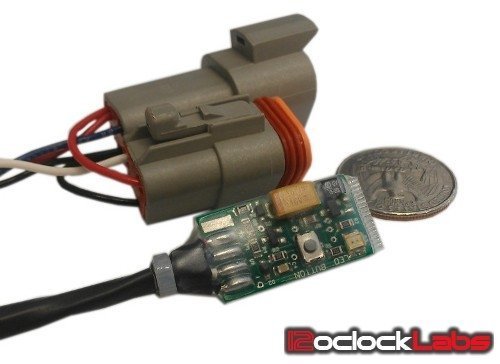

OptiMate3 0.8A, Smart Battery Saving Charger for 12V Lead-acid Motorcycle and Powersport Batteries
- - Works for your motorcycle, ATV, Side by Side or personal watercraft. - Saves your 12V battery (AGM, GEL, STD, Starter, Deep Cycle) when no other charger will work. If Optimate can't save it, nothing will. - Connect and forget, no more battery problems. Continuous charging if heal More ...

BOSCH 0332019110 Normal Open Mini Relay - 4 Pins, 12 V, 30 A - Single
[BOSCH EXPERTISE] - Bosch has been producing relays for vehicles and other applications for more than 40 years - this vast development experience ensures continuous advancement in design features to deliver optimum performance. [COMPACT SWITCHING] - Bosch Mini Relays feature a compact design and are More ...
![221-2401 | WAGO Lever-Nuts® Inline Splicing Connector | for Solid and Stranded Conductors | 2-Conductor with Operating levers | 20-12 A.W.G. | Transparent housing | White Cover | [Box of 60 Pieces]](https://m.media-amazon.com/images/I/41xRZvQv7aL._SL500_.jpg)
[Save your wrists!] WAGO LEVER-NUTS are lever-actuated, which means that there is no twisting; no taping!. [Re-usable.] Because of their innovative design, WAGO LEVER-NUTS may be opened and closed repeatedly with no loss of connection integrity. [UL486C Listed for solid or stranded wire.] These hard More ...

BATIGE Motorcycle USB Charger SAE to USB Adapter Type C and USB 3.0
SPECIAL DESIGN FOR MOTORCYCLE: This BATIGE SAE to USB adapter motorcycle USB charger Type C and quick charge USB 3.0 adopt SAE quick release connection design, input 12V- 24V DC, output 5V 4.8A total (Each 2.4A), lets you charge any two smartphones or tablet devices simultaneously, such as Smartphon More ...
Did We Miss Sump'm?
Sixty percent of the time, we're right every time. What would you add to the conversation and why? Your input is invited. Leave a comment and/or write an article!
Share Link ...


Comments
It's always a pleasure to hear you guys talk motorcycles! I'm thinking 2026 (America 250) is going to be a fantastic year!
Thanks for listening, Norm! Here's to new riding in '26.
Thoughts gone wild? Write an article!